Hey everyone, if you’re in the 3C world, you know how insane the pressure is to get parts right—tiny tolerances, smooth finishes, and on top of that, they need to be cost-effective. As a guy who’s been running an electronic & 3C injection molded parts shop for over 12 years, I get all the questions from clients: especially when it comes to choosing between primary and secondary injection molding. A lot of folks mix these two up, and picking the wrong one can kill your prototype timeline or blow out your production costs. Let’s break this down like we’re shooting the breeze over coffee, no jargon overload, promise. Electronic & 3C Injection Molded Parts
First, let’s cut to the chase: what even is primary injection molding, and why do 3C brands swear by it for most parts? Primary molding is the base, first-shot process—this is where you make the main structure of your part in a single mold, no extra steps. For 3C, that’s things like smartphone casings, laptop hinge covers, or even the plastic frames for wireless earbud charging cases. Here’s the thing about primary molding for our industry: 3C parts are usually pretty compact, but they have those tiny, complex features—like button cutouts or fine ribbing for heat dissipation. With primary molding, you can integrate those features directly into a single mold, which means less handling later on. When I work with a startup that’s designing a new portable speaker, I always push them to start with primary molding for the main housing. It keeps labor low, and because you’re only molding once, the risk of defects from moving parts down the line drops way off.
Wait, but hold on—secondary molding. That’s where people get confused, because it’s not a replacement for primary, it’s a way to add layers or features after the first shot. Secondary molding is basically two separate molding steps: first, you make a base part with primary molding, then you load that part back into a second mold (or sometimes the same mold, but almost always a different cavity) to add a second material on top. For 3C, this is everything from the soft rubber grips on power bank sides to the decorative color accents on laptop lids, or even structural overmolding for connectors. Let me give you a real example: a client came to us last year with a smartwatch band. The base is a rigid nylon (good for shape retention), but the inside needs a soft TPU so it doesn’t dig into people’s wrists. Secondary molding is the only way to do that without gluing the TPU on later, which would peel off after a month of wear.
Now, let’s get into the real differences that matter for 3C, not just textbook definitions. Let’s start with materials, because 3C uses so many different plastics—we’re not just talking one type here. Primary molding uses thermoplastics that are rigid, dimensionally stable, or have structural strength: ABS, PC, PEEK, all that stuff. These are the workhorses for the main parts. Secondary molding? It’s all about multi-material compatibility. You can mold a rigid base and a soft elastomer, or even two rigid materials that bond well. For example, some gaming controller cases use primary molding for the hard polycarbonate shell, then secondary molding for the silicone triggers that need to be responsive. The key here is that the two materials have to have good adhesion—you can’t just stick any old TPU to any old PC and expect it to last a year of being in someone’s backpack. That’s a common mistake new 3C designers make; they think secondary molding is just “add glue via heat,” but it’s way more specific than that.
Next up, design flexibility vs. production speed. Primary molding is faster, hands down. One shot, one mold, you’re done with the base part in hours. That’s perfect for low to medium runs, or when you’re prototyping—if a brand is testing a new phone chassis, primary molding lets them get samples in 3 days, no waiting for a secondary mold. But secondary molding? It gives you way more design options. Want a part that’s both rigid and soft? Want to add a transparent window to a colored plastic base? Want to mold in logos or textured grips without extra post-processing? Secondary molding makes that happen. The tradeoff is time and cost. You’ve got two molds, two molding cycles, and extra labor to load and unload parts between steps. For high-volume 3C production—like making 100,000 power banks a month—primary molding is almost always better because you’re cutting down per-part costs, but for a small batch of custom wireless chargers that need a soft touch, secondary is worth the extra cost.
Wait, let’s talk about defects, because 3C parts can’t have any. A scratch on a phone casing is a big deal. With primary molding, the biggest defects are things like flash (excess plastic on edges), warping (common with big, thin parts like laptop lids), or underfilling tiny features. We fix that by tweaking mold temperature and injection pressure—no biggie. With secondary molding, the defects are trickier. If the two materials don’t bond right, you get delamination—where the soft layer peels off. Or if you load the primary part wrong into the second mold, you get misalignment, which makes the grip on a watch band lopsided. Last year, a client had a run of 5,000 earbud cases where the TPU overmolding was peeling; turns out they used a cheap TPU that didn’t bond to their PC base. We switched them to a compatible grade, and the defect rate dropped to less than 0.1%. That’s the stuff that makes or breaks a 3C supplier—knowing which materials play nice together.
Let’s also touch on post-processing, because 3C brands hate extra steps. Primary molded parts often need minimal post-processing: just trimming flash, maybe a quick polish. But wait—if you’re doing multi-color molding in primary (something called insert molding, but no, that’s different), no, wait—primary single-color is just the base. Secondary molding cuts out post-processing steps entirely. If you glue a logo on a primary molded part, that logo can scratch off. But if you overmold the logo in a different color during secondary, it’s part of the part, no extra steps. For mass production, that’s a huge win because you don’t have to hire people to glue logos or add grips manually. Less labor means lower costs, and fewer human errors.
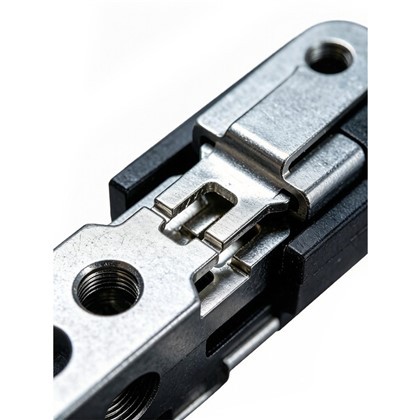
Now, when should a 3C brand pick which one? Let’s make this simple, with real scenarios. If your part is a single structure, no extra layers or soft features—like a laptop keyboard deck, a phone middle frame, or a hard plastic case for a gaming console—go with primary molding. It’s faster, cheaper, and easier to troubleshoot if something goes wrong. If your part needs soft touches, multi-color accents, or integrated features that you can’t do in one shot—like a power bank with a rubberized side, a smartwatch band, a wireless charger with a soft grip, or a connector with a plastic shell and a metal insert—secondary molding is your guy.
Wait, but there’s a middle ground I should mention—you can do insert molding, which is sometimes confused with secondary. Insert molding is when you put a metal part (like a pin or a connector) into a mold, then mold plastic around it. That’s a type of primary molding? No, wait, it’s a single step too, but it’s insert, not overmolding. Secondary is two materials, insert is a material plus a different component. Good to clarify, because a lot of clients mix those terms.
Let me also talk about volume, because that’s something every 3C startup obsesses over. If you’re doing a prototype run (10-50 parts), primary molding is the way to go because secondary would cost you more in mold making for such a small run. If you’re doing 1,000-10,000 parts, secondary might be worth it for the added features, just don’t expect the same per-part cost as primary. If you’re doing 50,000+ parts, primary molding will almost always save you money, even if the mold cost is a bit higher upfront, because you’re only running one cycle.
One thing I wish more 3C designers understood is that primary molding isn’t “basic” and secondary isn’t “better”—it’s about matching the process to your part’s needs. I’ve seen a $100 smartphone use secondary molding for its soft side buttons, and a $5 wireless charger use primary molding for its simple casing. There’s no hierarchy, just what works.
Last point: as a supplier, what do I bring to the table here? A lot of big shops will push primary molding for everything, or secondary for everything, but the good ones (like us) will listen to your design and tell you what’s actually best. We’ve had clients come in with a vague idea for a new accessory, and after looking at their CAD files, we say “you don’t need secondary molding here, primary will save you $0.50 per part and get you to market 2 weeks faster.” Other times, we say “you need secondary molding to make your product feel premium, which will justify the extra cost to consumers.” That’s the value we add—not just molding parts, but advising on the process that’s right for your 3C part.

If you’re working on a new 3C product—whether it’s a prototype for a startup, a mid-volume run for a established brand, or something in between—and you’re not sure if primary or secondary injection molding is the way to go, hit us up. We can review your designs, talk through material options, and give you a clear breakdown of timelines and costs. No pressure, just straight talk from someone who’s been in this game long enough to know what works.
Connector Plastic Components References:
- Rosato, D. V., & Rosato, M. G. (2004). Injection Molding Handbook (5th ed.). Springer.
- Crawford, R. J. (2010). Plastics Engineering (2nd ed.). Butterworth-Heinemann.
- ISO 10360-2:2001, Geometrical Product Specifications (GPS) – Acceptance and reverification conditions for coordinate measuring machines – Part 2: Coordinate measuring machines using probing systems.
- Engineering Materials Advisory Services Ltd. (2018). Multi-Material Injection Molding: Design Guidelines for 3C Applications.
Modelon Precision Industry (Suzhou) Co., Ltd.
With abundant experience, we are one of the most professional electronic & 3c injection molded parts manufacturers and suppliers in China. Welcome to buy customized electronic & 3c injection molded parts at competitive price from our factory. If you have any enquiry about pricelist, please feel free to email us.
Address: 1st Floor, Building 22, No. 2628 North Gate Road, Kunshan City, Jiangsu Province, P.R.China
E-mail: jessica_huang2025@163.com
WebSite: https://www.modeloncn.com/
