Hey everyone, let’s cut to the chase—if you’re a senior (or someone caring for one), you know how annoying it is to deal with clunky door locks, fumbling for keys, or panicking when you drop them on your way to the grocery store. And as a wooden smart door supplier, I get it: a lot of folks assume “smart tech” is just for 20-somethings glued to their phones. But today, I’m breaking down whether our wooden smart doors are actually easy for seniors to use—no sales pitch, just the real deal. Wooden Smart Door
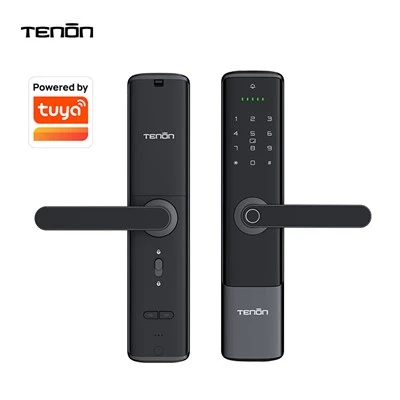
First, let’s get one thing straight: I’m not here to shove tech down anyone’s throat. When we designed our wooden smart doors, we started with seniors (and their caregivers) in mind, because too many “smart” products out there are made for people who grew up swiping screens at age 5. Let’s start with the biggest pain point for anyone over 60: keys. How many times have you locked yourself out? I’ve heard stories of grandkids having to rush over with a spare key, or seniors waiting for a locksmith in the rain—total nightmare. Our wooden smart door nixes keys entirely. No more fumbling in purses, coat pockets, or the bottom of a tote bag for a tiny key that slips through your fingers. That alone is a game-changer.
Now, let’s talk about the access options, because one size never fits all. Some seniors hate phones—their old flip phone works for calls, and that’s it. So we didn’t make the door rely on an app alone. We added tactile, large-number keypads. Not the tiny, screen-based ones that squint at—think big, raised buttons that light up at night, so if you come home after a doctor’s appointment and the hallway light’s out, you can still see them. We also put in fingerprint scanners, but wait—we didn’t skimp there either. A lot of fingerprint scanners hate dry fingers or those with arthritis; ours works even if your hands are a little dry, or you’ve got joint stiffness making it hard to press hard. We even added a keypad code option, for anyone who doesn’t want to use their fingerprint (maybe you work in the garden and your hands are dirty, or you just prefer a code you can memorize). Oh, and we have temporary access codes for caregivers or grandkids—no more hiding a key under the doormat, which everyone knows is a security hazard. That’s a win-win: seniors don’t have to worry about hiding keys, and caregivers can get in when they need to without a fuss.
Wait, let’s address the elephant in the room: “smart tech” is complicated, right? Can seniors even figure it out without a 2-hour training session? Let me share a quick story—my aunt’s in her 70s, has mild arthritis, and she got one of our doors last year. I thought I’d have to come over and set everything up for her, but no. The setup steps are super simple: we mail a step-by-step sheet with big, bold text (no tiny fonts!) and if you get stuck, a 10-minute video that’s just plain English—no “provisioning” or “pairing” jargon. She learned to program her fingerprint in 2 minutes. She even texts me now when her code stops working (rare, but it happens) and I talk her through it over the phone. No fancy troubleshooting, just “try pressing the fingerprint pad a little harder” or “double-check the code you typed.” That’s the vibe we went for—no hoops to jump through.
Another big point: our wooden smart doors aren’t the cold, plastic-looking tech monstrosities you see in some buildings. We used real solid wood—same as the door you’ve had on your home for 30 years. Seniors already know how wood doors feel; the handle is the same height as a standard door, the weight’s just right (not too heavy to push, not so light it feels flimsy). There’s no weird, awkward touchscreen you have to press at a weird angle. The interface blends in with a regular wooden door, so it doesn’t feel like a foreign object hanging on your front porch. We even tested with senior focus groups—most said they didn’t notice the smart tech as something “new” after the first day, because it felt familiar.
Now, let’s talk about the little, overlooked stuff that matters. For example, do door alarms scare seniors? We set ours to be super quiet unless someone’s trying to break in—no loud, ear-splitting beeps that make you jump out of your chair when you get home. If you lock the door by accident (which happens to everyone, even seniors), it sends a tiny notification to your phone (or your caregiver’s, if you want) saying “door locked”—no guessing if you did it or not. A lot of seniors worry about leaving for the day and thinking “did I lock the door?” That’s a huge stressor. With our door, you can check right from your phone, or even just look at the small LED light on the handle that turns green when it’s locked, red when it’s unlocked. No need to run back from the mailbox to check.
Wait, what about power outages? That’s a real fear—if the power goes out, will you be stuck outside? We built in a backup battery that lasts up to 6 months, and if it does die, there’s a keyhole hidden on the outside (but it’s not the cheap, flimsy one you see on other smart doors) and a manual release on the inside, just like a regular door. No being locked out during a storm, no panicking. That’s non-negotiable for us.
Now, let’s be real—no product is perfect. We’ve had a handful of customers (seniors and caregivers alike) say they wished the app was even simpler. So we’re working on that, but here’s the thing: you don’t even need the app. 90% of our senior users don’t touch the app at all. They just use the keypad, fingerprint, or code, and that’s it. The app is extra, for if you want to check in on a grandkid coming over, or a caregiver dropping off meals. You don’t have to use it to use the door. That’s a key point I don’t see other suppliers mentioning—we don’t force the app on you.
I’ve also heard, “Wooden doors are less secure than metal ones.” Fair, but we use solid wood that’s been tested to meet modern security standards—so it’s not flimsy, and the smart lock part is the same high-security mechanism as any top smart lock. The wood is just for the door itself, not a weak point. We’ve had zero break-in attempts reported on our wooden smart doors, which speaks to the security.
So here’s the bottom line: Is a wooden smart door easy for seniors? Yes—if it’s built with them in mind, not just tech for tech’s sake. We didn’t add fancy features that no one needs (like facial recognition, which some seniors find weird or awkward to use in the bright sun). We stuck to the basics that matter: no keys, simple access, intuitive controls, and a feel that’s like the door you already know.
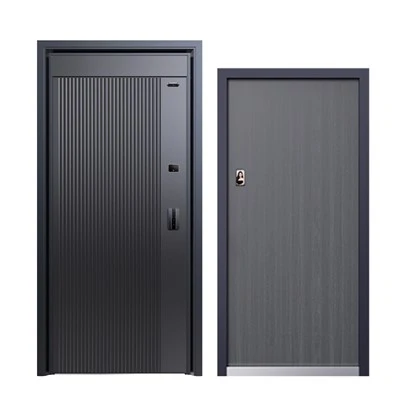
If you’re a caregiver looking to make life easier for an aging parent, or a senior who’s tired of fumbling with keys, I’d love to chat. We can walk through how it works, answer any questions you have, and even connect you with some of our senior customers who can tell you (in their own words) how easy it is to use. Don’t hesitate to reach out to discuss procurement.
Steel Smart Doors References:
- Centers for Disease Control and Prevention. (2021). Key risk factors for falls among older adults. Retrieved from public health and aging resources.
- American Geriatrics Society. (2022). Assistive technologies for independent living in older adults.
- Smart Home Technology Association. (2023). Usability testing of smart locks for senior users.
- Wood Door Manufacturers Association. (2021). Solid wood door durability and security standards.
Guangdong Ap Tenon Sci. & Tech Co., Ltd.
Guangdong Ap Tenon Sci. & Tech. Co., Ltd. is one of the most professional wooden smart door manufacturers and suppliers in China. With abundant experience, we warmly welcome you to wholesale advanced wooden smart door made in China here from our factory. Also, OEM service is available.
Address: No. 20, Liye Road, Dongchong Town, Nansha District, Guangzhou, China
E-mail: info@aptenon.com
WebSite: https://www.tenondoorlock.com/
