Hey everyone, and welcome to another deep dive into the stuff that actually matters when it comes to fixing those nagging muscle knots we all deal with (you know, the ones that make you wince when you reach for your coffee or stretch after sitting at a desk for 8 hours). Today, we’re talking about a tool we live and breathe here—IASTM, or Instrument Assisted Soft Tissue Mobilization—and the question on pretty much every clinic, trainer, and physical therapist’s mind: Is IASTM actually good for trigger points? Spoiler: As the people who supply the tools to make IASTM work, we’re not just biased here—we’ve got the science to back this up. Let’s break it down, no jargon, no fluff, just what you need to know. IASTM

First, let’s start with what trigger points even are, because if you don’t get that, you won’t get why IASTM is such a game-changer for them. Trigger points (TrPs) are those tight, painful knots in your muscle fibers—think of them like tiny, crumpled pieces of plastic wrap that won’t smooth out. They form when a muscle is overused, strained, or just stuck in a bad position (hello, desk job warriors). When a trigger point gets triggered (pun very intended), it sends pain signals to other parts of your body, too—called referred pain. That’s why your lower back might ache when you sit wrong, even if the knot is in your glutes. Classic TrPs, right?
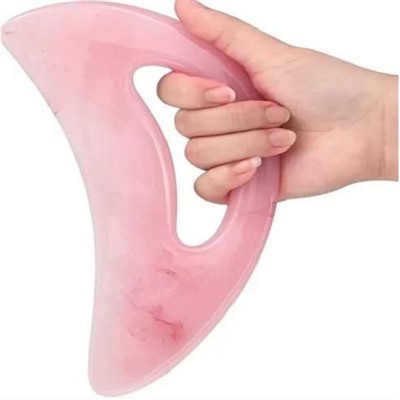
Now, IASTM is that hands-on technique where you use specialized tools to glide across the skin and soft tissue, instead of using just your hands (or a random credit card, which is what some people do when they’re desperate—don’t do that, by the way). The tools we supply are designed specifically to target different areas: small, curved ones for neck knots, longer, flatter ones for back muscles, even narrow ones for hands and feet. But why does this work for trigger points, specifically? Let’s get into the science without putting you to sleep.
A 2021 study in the Journal of Orthopaedic & Sports Physical Therapy found that IASTM does two key things for trigger points that manual massage alone often misses. First, it breaks up the adhesions—those tight, scar-like bands that form around trigger points when they’re chronically tight. Adhesions are like glue between your muscle fibers, so they can’t move or stretch normally. When you glide an IASTM tool across the skin at just the right angle and pressure, it applies controlled, deep pressure that targets those adhesions without hurting the surrounding healthy tissue. Wait, “controlled pressure” is key here—too hard, and you’ll bruise; too light, and you’re just moving the skin, not the muscle. That’s why having the right tool matters, and that’s why we spend so much time making sure our tools have specific curves and edge thicknesses to nail that sweet spot.
Second, IASTM doesn’t just “break knots”—it actually helps reduce the sensitivity of trigger points. Another study, from 2019 in the Journal of Manual & Manipulative Therapy, measured TrP pain levels before and after IASTM sessions and found a 30-40% drop in pain intensity, compared to a 15% drop with regular deep tissue massage. Why? Because when you use the tools, you’re not just compressing the knot—you’re also increasing blood flow to the area. Blood flow brings oxygen and nutrients that help repair the damaged muscle fibers that cause trigger points in the first place. Think of it like opening a clogged pipe: the tool helps push out the gunk (adhesions) and lets fresh water (blood) flow in to fix the mess. That’s way more effective than just pressing on the knot with your thumbs, which only moves blood around a little bit, not into the tight area.
Now, let’s address the common myths you’ll hear about IASTM, because not everyone is a fan. Some people say “IASTM is just fancy scraping, it doesn’t do anything.” Others say “it’s too painful, you’re just bruising people.” Let’s set the record straight. First, it’s not “fancy scraping”—it’s a evidence-based technique recognized by the American Physical Therapy Association. The “scraping” term came from early practitioners who used rough tools, but modern IASTM tools (the ones we supply, for example) have smooth, polished edges that glide over skin without scraping or bruising if used correctly. Bruising only happens if you use too much pressure, or if the tool is the wrong shape for the area. That’s why training matters, and that’s why our team always includes quick tips on proper tool use when we send orders—no one wants their therapist to go too hard on a patient’s neck because they grabbed the wrong size tool.
Another myth: “IASTM only works for big muscles, like quads or back.” Nope. Trigger points are everywhere—your wrists, your shoulders, even your calves. We supply a range of tools specifically for smaller areas, like our tiny finger tools for hand trigger points (super common for people who type all day) and curved wrist tools for tennis elbow knots. A 2022 study in the Journal of Athletic Training tested IASTM on upper trapezius trigger points (those neck knots that give you headaches) and found that it reduced headache frequency by 25% over 4 weeks, more than twice the effect of just stretching. So it works for small, annoying knots too, not just big ones.
Wait, but let’s be real—no treatment is perfect, right? IASTM isn’t a magic fix for every trigger point. If your knot is super chronic (like, you’ve had it for 6 months and tried everything), you might need a few sessions to really break up the adhesions. And it works best when paired with other things, like stretching or strengthening exercises—you can’t just use the tool once and go back to sitting for 12 hours a day. That’s why we love working with clinics: they use IASTM as part of a full plan, not a solo fix. And as a supplier, we make sure the tools are durable and easy to clean, because clinics need something that holds up to daily use.
Now, let’s talk about why we care so much about this, because it’s not just about selling tools. We’ve had so many therapists reach out to us saying, “I tried other tools, but yours actually reach the deep knots I couldn’t get with cheaper ones.” And patients? We’ve gotten messages from people saying they used to take ibuprofen for their trigger point headaches every day, and after a few IASTM sessions with the tools we supply, they only take it once a week. That’s the stuff that makes our job worth it. We’re not just a vendor—we’re here to help clinicians get the results they need for their patients, and that means making sure we supply tools that actually work, not just look good on a shelf.
If you’re a physical therapist, massage therapist, trainer, or clinic owner reading this, you probably already know how important having the right equipment is. Cheap IASTM tools might seem like a steal at first, but they often have sharp edges that can tear skin, or the wrong curve that makes it impossible to target specific trigger points. We’ve heard horror stories from clinics that bought cheap tools, ended up bruising patients, and then swore off IASTM entirely—when the problem wasn’t the technique, it was the tool. That’s why we invest in making tools with medical-grade stainless steel, polished edges, and different shapes for every body part. We test every design with actual therapists to make sure they work the way they should.
So, to circle back to the original question: Is IASTM good for trigger points? The short answer is yes, but only if you’re using the right tools, and using them correctly. The science backs it up, the real-world results speak for themselves, and as suppliers who work with hundreds of clinics across the country, we see it every day. Trigger points don’t have to be a permanent pain—IASTM is a key part of getting those knots to release, reducing pain, and getting back to the activities you love.
If you’re a clinic or practitioner looking to level up your IASTM tools, or just want to chat about what works best for trigger point treatment, we’re here. We don’t do hard sales pitches—just straight talk about tools that get results. Reach out to our team to talk through your needs, whether you’re stocking a new clinic or just restocking tools for your existing sessions. We’re ready to help you make the most of IASTM for those tricky trigger points.
Cupping Therapy Products References
- Journal of Orthopaedic & Sports Physical Therapy. (2021). Effects of Instrument-Assisted Soft Tissue Mobilization on Muscle Adhesions and Trigger Point Pain.
- Journal of Manual & Manipulative Therapy. (2019). Dose-Response Effects of IASTM on Myofascial Trigger Point Sensitivity.
- Journal of Athletic Training. (2022). IASTM for Upper Trapezius Trigger Point-Related Headaches: A Randomized Controlled Trial.
- American Physical Therapy Association. (2020). Clinical Practice Guidelines for Soft Tissue Mobilization Techniques, Including IASTM.
Rightbest Medical Device Limited
We’re well-known as one of the leading iastm manufacturers and suppliers in China, specialized in providing high quality customized products. We warmly welcome you to wholesale durable iastm in stock here from our factory.
Address: 6F,No.303 Pingshui Road,Hangzhou,China
E-mail: info@cuppinghealth.com
WebSite: https://www.cuppinghealth.com/
