If you’ve ever noticed that fuzzy, dark spot creeping along the caulk of your stainless steel farmhouse sink, you know it’s more than just a minor eyesight—mold thrives in the damp, warm nooks that surround even the most durable kitchen fixtures. As a supplier of stainless steel farmhouse sinks, I’ve spent years working with homeowners, contractors, and interior designers to help them protect their sinks and the areas around them from mold, and the good news is that most mold growth is preventable with small, consistent steps that don’t require huge overhauls. Before we dive into the practical fixes, let’s break down why mold loves your farmhouse sink specifically: its deep, wide basin and exposed front apron create extra crevices where water can linger, and the stainless steel surface itself, while resistant to rust, can harbor moisture in gaps between the sink, countertop, and any sealant used to secure it. Stainless Steel Farmhouse Sinks
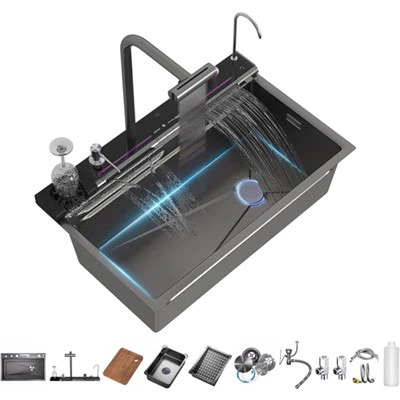
First, let’s talk about quick, daily habits that stop mold before it starts. Many people assume stainless steel is non-porous, which it is, but the space where your sink meets the countertop is a different story. That’s where water splashes, food bits, and condensation get trapped, especially with farmhouse sinks that sit flush or extend slightly over the counter edge. After every use, I recommend wiping down the entire sink perimeter—not just the basin. A soft microfiber cloth is ideal because it won’t scratch the stainless steel, and it absorbs moisture without leaving lint behind. Don’t forget to dry the underside of the front apron too, especially if you have an under-mount or farmhouse sink that’s mounted from below—condensation can drip onto the cabinet below, seep back up, and create mold along the seam where the sink meets the countertop. Another small daily step: leave your kitchen drawer or cabinet doors open after washing dishes. The enclosed space under farmhouse sinks is a prime spot for stagnant air, which speeds up mold growth, so cracking those doors for 30 minutes after dishwashing lets moisture escape.
Next, let’s address the most common mold hotspots around farmhouse sinks: caulk lines. Standard silicone caulk, while flexible, can break down over time, especially from constant exposure to water and heat. Once caulk develops tiny cracks or pulls away from the sink or counter, it creates a porous gap where mold spores can take root. As a sink supplier, I always advise clients to use a mold-resistant, silicone-based caulk specifically designed for kitchen and bathroom use when sealing their farmhouse sink. Avoid acrylic caulk—it’s not waterproof and will break down much faster. When re-caulking, make sure to remove all old caulk completely first, using a caulk remover tool or even a putty knife, then clean the area with rubbing alcohol to remove any soap residue or oil. Let the new caulk dry fully (24 hours is standard) before using the sink, and avoid applying caulk too thickly— a thin, even bead will seal better and be less likely to crack. If you already have mold on existing caulk, skip the harsh bleach-based cleaners that can damage stainless steel over time; instead, mix a solution of equal parts white vinegar and water, apply it to the affected area, let it sit for 15 minutes, then scrub gently with a soft brush. Vinegar’s acidity kills mold without corroding the sink’s surface.
Another often-overlooked area is the pipes and drain assembly under your farmhouse sink. Pipes can develop small leaks that drip moisture onto the cabinet, which seeps up to the sink’s base and creates mold. Even a tiny, slow leak from a loose drain fitting can go unnoticed for weeks, and by the time you spot it, mold has already spread. I recommend inspecting your drain and pipes monthly: check for damp spots under the sink, tighten any loose connections with a wrench (be gentle—don’t overtighten, which can crack pipes), and replace old gaskets or washers if they show signs of wear. For extra protection, you can add a pipe insulating sleeve to hot water lines under the sink—this prevents condensation from forming on cold pipes that sit near warm dish water, which is a common hidden moisture source. If you notice a musty smell coming from under the sink, that’s a sign mold is already present; address it immediately by cleaning the area with the vinegar solution, then fixing the source of the moisture (leak or poor ventilation).
Wait, let’s touch on a common misconception about stainless steel farmhouse sinks: they’re not completely impervious to damage that can lead to mold. If your sink has deep scratches or dents, those nooks can trap food, water, and soap scum, creating a food source for mold. While stainless steel is durable, it’s not scratch-proof, so avoid using abrasive scrubbers (like steel wool) or harsh cleaners (like oven cleaner) that can scratch the surface. Instead, use a non-abrasive stainless steel cleaner and a soft cloth, and buff the sink in the direction of the metal’s grain to keep it smooth. If you do have small scratches, you can buff them out with a stainless steel polish, which will smooth the surface and reduce the chance of mold hiding in crevices. For farmhouse sinks with a brushed finish, be extra gentle—brushed stainless steel is designed to look textured, so deep cleaning that follows the grain won’t damage it, but scrubbing against it can create more scratches.
Ventilation is key, and it’s something many homeowners forget to prioritize. Kitchen exhaust fans work hard to pull out cooking fumes, but they don’t always target the area right around the sink. If you have a farmhouse sink that’s near a window, open it for 10 to 15 minutes after cooking or dishwashing to let moist air escape. If your kitchen doesn’t have good cross-ventilation, consider adding a small, quiet dehumidifier near the sink area—this keeps humidity levels below 60%, which is too dry for mold spores to grow. Avoid placing potted plants on or near the sink, too; their soil releases moisture into the air, and if you overwater them, excess water can drip onto the sink or countertop, creating another moisture source.
Now, for the steps that will help long-term, especially if you’re in a high-humidity area (like the Southeast U.S. or coastal regions). When selecting your farmhouse sink, opt for a 16-gauge or 18-gauge stainless steel—thicker gauge sinks are more durable, less likely to develop dents that trap moisture, and their solid construction means fewer gaps where water can seep in. As a supplier, we recommend sinks with a fully integrated apron and a smooth, seamless rim where the sink meets the countertop, rather than a rim with small grooves that can trap water. If you’re installing a farmhouse sink yourself, or hiring a contractor, make sure the sink is properly sealed to the countertop with a waterproof backer board if it’s a stone or quartz counter, rather than just caulk alone. The backer board creates a solid barrier that prevents moisture from seeping into the cabinet under the sink.
It’s also important to address food residue regularly—even small bits of coffee grounds, pasta, or vegetable peels left in the sink drain can create a slimy film that mold feeds on. Once a week, pour boiling water down the drain to dissolve built-up residue, followed by a cup of baking soda and a cup of white vinegar, let it sit for 10 minutes, then flush with more boiling water. This keeps the drain clean and eliminates the food source that mold would otherwise use to grow. Avoid pouring grease down the drain, too—it can solidify and create a blockage that traps water, leading to mold and even clogs.
Let’s talk about what to do if you already have mold around your farmhouse sink. First, don’t panic—most small mold infestations are easy to remove without professional help. Wear rubber gloves and a mask to avoid inhaling spores, then apply the vinegar-water solution to the affected area, let it sit, scrub gently, and dry completely. Once the mold is gone, inspect the area around it to make sure there’s no hidden moisture: check the cabinet under the sink for dampness, test the caulk for cracks, and make sure the sink isn’t leaking. If the mold is widespread (covering more than 10 square feet), or if it’s behind walls under the sink, it’s a good idea to call a professional to ensure all mold is removed and the source of moisture is fixed, to prevent it from coming back.

As someone who’s worked with stainless steel farmhouse sinks for years, I’ve seen firsthand how small, consistent habits can keep mold away for years. It’s not about doing a big deep clean once a month—it’s the daily wipe down, the quick check for leaks, and ensuring your sink is installed and sealed properly to minimize moisture buildup. If you’re in the market for a new stainless steel farmhouse sink, or you want to update your current setup to reduce mold risks, feel free to reach out to discuss your needs. We work with homeowners, contractors, and designers to provide sinks that are built to last and easy to maintain, so you can keep your kitchen free of mold and looking its best.
Commercial Kitchen Sinks References
- American Society for Microbiology. (2022). Mold Growth in Residential Kitchens: Causes and Prevention.
- National Kitchen & Bath Association. (2021). Maintenance Guidelines for Stainless Steel Kitchen Fixtures.
- Environmental Protection Agency. (2020). Mold Remediation in Residential Buildings.
- Stainless Steel Industry Association. (2019). Care and Cleaning Guidelines for Stainless Steel Kitchen Sinks.
Dingyi Shichuang Co., Ltd.
As one of the most professional stainless steel farmhouse sinks manufacturers and suppliers in China, we offer a wide range of products with superior quality. Please rest assured to wholesale customized stainless steel farmhouse sinks made in China here from our factory. Contact us for free sample.
Address: Rm908, Building 4, United Fortune Plaza, Jinan Area,China (ShanDong) Pilot Free Trade Zone
E-mail: info@dingyishichuang.com
WebSite: https://www.dysckitchensink.com/
