If you’re in the construction or wood products space, you’ve probably seen LVL (Laminated Veneer Lumber) popping up in everything from floor joists and beam supports to exterior wall framing. As a supplier of LVL boards, I get this question all the time: “Do LVL boards need to be painted?” It’s not a one-size-fits-all answer—so let’s break this down, cover the science, and what matters most for your project. LVL Board
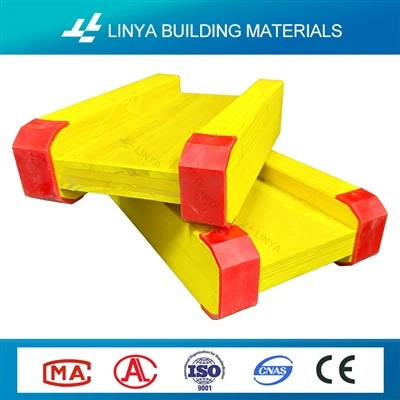
First, let’s start with what makes LVL different from solid wood. Unlike traditional lumber, which is milled from a single log, LVL is made by bonding thin wood veneers together with strong, moisture-resistant adhesives (usually phenol-formaldehyde resins) under high heat and pressure. This manufacturing process removes many of the weaknesses of solid wood: no knots, minimal warping, and consistent strength. That reliability is why contractors and builders love LVL for high-load applications, but it also changes how it interacts with its environment.
Now, when does painting LVL make sense, and when is it totally unnecessary? Let’s start with the cases where painting isn’t required. If your LVL is going to be installed as an interior structural component—think floor joists hidden behind drywall, beam supports inside walls, or headers that won’t be exposed to the elements—you can almost always skip painting. The adhesive used in LVL is designed to resist interior humidity and temperature fluctuations, and as long as it’s not exposed to excessive moisture (like a leaky plumbing line or ground-level water exposure), it won’t degrade. In fact, painting interior LVL here would be a wasted step: it doesn’t add structural value, and it can even trap moisture if you use the wrong paint, leading to mold or adhesive breakdown over time.
But exterior LVL? That’s where the answer shifts. Even though LVL is more durable than solid wood, it’s not invincible when exposed to rain, snow, UV rays, and temperature swings. Let’s get into the science of why that matters. First, UV radiation. Both the wood veneer and the adhesive in LVL can break down when exposed to direct sunlight over time. The wood fibers will dry out and become brittle, and the adhesive can start to degrade, weakening the bond between the veneers. This is called photodegradation, and it’s not a fast process, but over 5 to 10 years (depending on climate), unprotected exterior LVL can show signs of cracking, splitting, or warping.
Then there’s moisture. While LVL’s adhesives are moisture-resistant when installed properly, consistent exposure to standing water or high humidity can seep into the veneer layers. Unlike solid wood, which absorbs moisture more evenly across its surface, LVL can absorb moisture unevenly because the veneers are stacked at different angles. This uneven absorption causes differential expansion, which leads to warping or delamination—where the veneers start to pull apart from each other. Painting acts as a moisture barrier here, preventing water from penetrating the LVL surface in the first place.
Wait, but not all paint works for LVL. I see this mistake all the time: contractors grab any old latex paint and slap it on LVL, only to have it peel within a year. LVL has a smooth, dense surface from the manufacturing process, so regular interior paints don’t adhere well. For exterior LVL, you need a paint that’s formulated for wood products, ideally one with a primer that’s designed to bond to engineered wood. Oil-based or 100% acrylic exterior paints are the best bets here. The primer creates a mechanical bond with the LVL’s dense surface, and the acrylic topcoat resists UV rays and moisture better than other types of paint. If you’re painting LVL for a project that’s in a coastal area (salt air) or a rainy climate, you might even want to add a UV-resistant clear coat after the paint to extend its life.
Another point: some codes and project specifications do require painted LVL for exterior applications. If you’re working on a residential home, commercial building, or a project with strict design guidelines, the architect or engineer may specify painting to ensure the LVL meets durability requirements over the lifespan of the structure. Skipping this step can lead to higher maintenance costs down the line, or even code violations during inspections. That’s why as an LVL supplier, I always make sure to ask about the application when a customer orders exterior LVL—we can even provide a few tips on prep and painting if they’re not sure.
What about if you’re using LVL for a deck or porch rail? Here, it’s not just about structural integrity—it’s about aesthetics. Unpainted exterior LVL can turn a dull gray over time from UV exposure, which some people don’t mind, but others want a polished look that matches their decking or siding. Painting LVL gives you that flexibility, letting you match the trim, doors, or other wood elements on your home. Just make sure to apply paint before installation, not after. Painting LVL after it’s up means you’ll have to work around fasteners, cut ends, and hard-to-reach areas, and paint will seep into the cut edges (which are more porous than the milled surface) unevenly. Prep is key too: sand the LVL lightly before applying primer, wipe away all dust, and apply at least two coats of paint (one primer, one topcoat) for full protection.
Wait, let’s address a common myth: some people think LVL is “waterproof” so it doesn’t need painting. That’s not true. LVL is water-resistant, not waterproof. If it’s exposed to prolonged moisture—like being in ground contact, or a leaky roof that leaves it damp for weeks—it can absorb water just like solid wood, leading to mold growth. Mold not only looks bad, it can also break down the wood fibers and the adhesive in LVL, reducing its strength. Painting creates a water barrier that keeps moisture out, preventing mold and rot.
There are a few exceptions where even exterior LVL doesn’t need painting. If you’re using a pressure-treated LVL? No, wait—pressure treatment is for solid wood, but some LVL is made to be pressure-treated. Even then, if it’s going to be exposed to the elements, a protective coat is still a good idea. Another exception: if you’re using LVL for a temporary structure, like a construction scaffolding or a shed that’s only going to be used for a couple of years. The cost and effort of painting might not be worth it for a short-term project. But for permanent structures, painting is a smart investment.
As someone who’s been in the LVL supply business for over a decade, I’ve seen the difference between painted and unpainted exterior LVL firsthand. I had a customer a few years ago who installed 20 feet of unpainted LVL beams on a new porch in the Pacific Northwest, where it rains almost every other day. Within three years, the beams had started to warp at the joints, and the veneers were separating. We worked with him to replace them with painted LVL, and now five years later, they look almost as good as the day they were installed. That’s not to say all unpainted LVL will fail that fast—climate plays a big role, of course—but painting adds a layer of protection that pays off over time.
Another thing to consider: if you’re cutting LVL on the job site, the cut edges are more porous than the factory-milled surface, so they’re more susceptible to moisture and UV damage. Even if you paint the rest of the LVL, you should seal the cut edges with a wood sealer or primer to prevent water from seeping in. That’s a small step, but it makes a big difference in how long your LVL lasts.
So to wrap this up: do LVL boards need to be painted? The short answer is: if it’s an interior structural component, no, you don’t need to paint it. If it’s an exterior component exposed to the elements, yes—painting is recommended, and in many cases, required by code or project specifications. Just make sure you use the right type of paint and prep the surface properly to get the best results.
If you’re planning a project and need to order LVL boards, whether for interior structural work or exterior applications, I’m here to help. We carry a full range of LVL products in different sizes and strengths to fit your needs, and I can answer any questions you have about application, painting, or installation. We’re committed to providing high-quality LVL that meets industry standards, and we work with builders, contractors, and homeowners alike to make sure they get the right product for their project. Reach out to our team to discuss your LVL requirements, and we’ll provide you with the guidance and pricing you need to keep your project on track.
PVC Formwork References
- American Wood Council. (2020). Engineered Wood Products Guide: Laminated Veneer Lumber.
- Forest Products Laboratory. (2018). Moisture Effects on Engineered Wood Components. U.S. Department of Agriculture.
- National Association of Home Builders. (2021). Exterior Wood Protection Best Practices.
- ASTM International. (2019). Standard Specification for Laminated Veneer Lumber (LVL).
Shenzhen Linya Building Materials Co., Ltd.
We are one of the most professional LVL board manufacturers and suppliers in China, also support customized service. Welcome to buy bulk high quality LVL board in stock here from our factory. If you have any enquiry about free sample, please feel free to email us.
Address: Bantian International Center, No.5 Huancheng South Road, Ma’antang Community, Bantian Street, Longgang District, Shenzhen
E-mail: linya@formworksteelprop.com
WebSite: https://www.linyabuildingmaterials.com/
