Hey there, espresso lovers and small-cafe owners (or maybe you’re just upgrading your home setup—no judgment either way). If you’re reading this, you’re probably thinking about scoring a used espresso machine. I’ve been in the espresso machine supply game for years, and let me tell you: buying used isn’t just about saving a few bucks (though that’s definitely a win). It’s also about getting a pro-grade machine you might never afford new, if you know what to actually look for. Skip the random Facebook Marketplace finds that turn into money pits—here’s the straight-up breakdown, no fancy jargon, just what actually matters. Espresso Machine
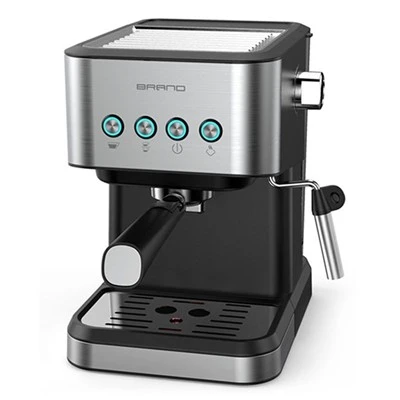
First off, let’s start with the basics you can check without even turning the machine on: its age and use case. Used espresso machines aren’t all created equal. A machine that lived in a high-volume downtown coffee shop pumping 200+ drinks a day for 5 years is way different than one that was a home barista’s “weekend project” that only made lattes for their family once a week. I’ve seen shop-used machines look fine on the outside but have internal parts worn thin because of constant, heavy use. So ask the seller: How old is it? Where was it used (cafe, home, pop-up)? What’s its daily or weekly usage history? If they can’t answer those, that’s a red flag—walk away. Also, avoid machines older than 15 years unless it’s a classic model with a track record of durability. A lot of old machines from the 90s might look cool, but their internal boilers and pumps are almost impossible to find parts for now, unless you’re a parts guru (and even then, it’s a headache).
Next, the biggest thing people sleep on: internal condition. You can polish the outside until it shines, but if the inside’s gunked up or broken, it’s useless. The first test for this is the boiler and group head, which are the heart of the machine. A professional cleaning (called “descaling”) is non-negotiable for espresso machines—limescale builds up in the boiler from water use, which kills temperature consistency. Ask the seller when they last did a full descale. If they say “never,” that’s not a dealbreaker, but factor in the cost of a pro descale (usually $150-$300) into your budget. Then, check for leaks—run the machine, pull a shot, and watch the group heads, boiler connections, and hoses. Even a tiny slow leak might turn into a big problem down the line, especially if it’s in a hard-to-reach spot. Also, listen to the pump: when you turn on the machine, it should hum steadily, not rattle or sound like it’s straining. A rickety pump means it’s working too hard, and replacing one costs almost as much as a mid-tier used machine.
Speaking of group heads, that’s where the magic happens for your espresso shots. The group head is where the portafilter locks in and the hot water comes out to brew. Look at the seal (the rubber ring where the portafilter attaches) — if it’s cracked, crumbly, or misshapen, that’s a quick fix (a new seal is $10-$20), but if the group head itself has corrosion or pitting (little holes from wear), that’s a problem. Pitting makes water spray uneven during a shot, so your espresso will be bitter in some parts and weak in others. If you see pitting, ask the seller if they’ve ever had to resurface the group head—resurfacing is a job for a tech and can cost $100+, so that adds to your total. Also, check for solenoid valves (those control the water flow) if it’s an automatic machine. If they click when you turn the machine on, they’re probably working; if not, they might need replacing.
Now, let’s talk about the type of machine you actually need, because not all used machines fit your setup. If you’re a home barista, a single-group machine is perfect—they’re smaller, easier to maintain, and don’t make more coffee than you can drink in a day. But if you’re running a small cafe or busy coffee cart, you’ll want a dual-group machine so you can pull two shots at once, which cuts down on wait times. Wait, but here’s a pro tip: don’t buy a machine that’s too big for your needs. I’ve seen people blow budget on a 3-group commercial machine for a tiny cafe that only needs a 2-group, and the bigger machine uses way more energy and water, which adds up over time. Also, check if the machine is plumbed (connected directly to a water line) or needs a reservoir. Plumbed machines are way easier for cafes because you don’t have to refill the reservoir every hour, but if you’re moving it around (like a pop-up), a reservoir model is more flexible.
Then there’s brand reliability, which is non-negotiable. Some brands are basically workhorses, and others are known for breaking down all the time. Let’s be real—from my supply perspective, the brands that hold up best used are La Marzocco, Synesso, Rocket, and Nuova Simonelli. La Marzocco’s Linea is a classic, used by millions of cafes, and parts are easy to find. Rocket’s machines are popular for home use and small cafes, too, because they’re durable and affordable when used. On the flip side, avoid no-name brands you’ve never heard of—their parts are impossible to source, and if something breaks, you’ll have to scrap the whole machine. Also, check if the brand has a local service tech in your area. If there’s no one within 50 miles who can fix a La Marzocco, even a good machine is a hassle. Service is way more important than the machine itself, honestly.
Here’s a big one people miss: available support and documentation. A good seller will have manuals, repair receipts, and proof of regular maintenance (like descaling, gasket replacements, or pump checks). If they don’t have that, it’s not the end of the world, but it means you’re starting from zero. Also, ask if the machine is still covered under any warranty—most used commercial machines are out of warranty, but some home machines might still have a year or two left, which is a huge win. If it’s a commercial machine, check if the model is still in production. If the brand stopped making that machine 10 years ago, parts will be a nightmare to find, so stick to models that are still in production.
Don’t forget to test it in person, if you can. I know it’s tempting to buy a used machine online from a listing that says “works perfectly!” but photos lie. If you’re local, go see it in action. Pull a test shot if you can—watch how the water flows, check the crema (it should be a golden-brown, creamy layer, not just a thin ring), and taste the shot if you’re allowed. If the seller won’t let you test it, that’s a red flag. Also, ask about its history of repairs. Did it ever have a boiler replacement? A pump swap? Any major issues? I once sold a machine to a guy who skipped that question, and it turned out the boiler had been replaced twice because of constant leaks—he ended up spending more on repairs than he did on the machine.
Now, let’s talk about budget. A used machine can range from $500 (home-sized, good for beginners) to $5,000+ (commercial dual-group, like a La Marzocco GB5). My rule of thumb: set a budget, then add 20% to cover unexpected repairs. You will almost always need to descale it, replace gaskets, or fix a small issue, so don’t spend your entire budget on the machine itself. If someone is selling a commercial machine for way cheaper than market value, dig into why—maybe it’s missing parts, or it has a hidden leak, or the seller just wants to get rid of it fast. If it seems too good to be true, it probably is.
Wait, what about accessories? A lot of people forget that the machine isn’t just the machine. When you buy a used one, check if it comes with portafilters, tamper, steam wand, and group handles. Those are small, but if they’re missing, you’ll have to buy them separately, which adds $100-$200. Also, check the steam wand—if it’s bent or has old coffee gunk built up, that’s easy to clean or replace, but a bent wand will make steaming milk a nightmare. A good steam wand should spin smoothly, heat up fast, and produce tight, consistent steam.
Last thing: moving and setup. Commercial espresso machines are heavy—like 100+ pounds heavy. If you’re buying a used commercial machine, make sure you have someone who can move it, or factor in the cost of professional delivery and setup (that’s another $150-$300). Also, check if your space has the right power and water hookups. A commercial machine needs a dedicated 220V outlet, not a regular 110V, so if you’re putting it in a home kitchen, you might need to hire an electrician to install that. That’s a big cost people don’t plan for, so don’t skip that step.

At the end of the day, buying a used espresso machine is all about doing your homework. Skip the impulse buys, ask the right questions, test it in person, and factor in the hidden costs. If you’re ready to start looking, I’m here to help—whether you’re a home barista hunting for your first machine or a cafe owner needing a reliable workhorse. We’ve got a range of gently used, professionally serviced machines that fit every budget, and I can walk you through every step to make sure you get the right one for your needs. Just reach out to chat, and let’s talk espresso.
Thermoblock Espresso Machine References:
- Specialty Coffee Association. (2022). "Guidelines for Espresso Machine Maintenance and Troubleshooting." Specialty Coffee Association of America.
- La Marzocco. (2021). "Used Espresso Machine Buyer’s Guide for Commercial and Home Users." La Marzocco Global Support.
- Synesso. (2020). "Purchasing Pre-Owned Espresso Equipment: Key Considerations for Long-Term Performance." Synesso Service & Repair Division.
- Rocket Espresso. (2023). "Home Barista’s Guide to Evaluating Used Espresso Machines." Rocket Espresso North America.
- National Coffee Association. (2022). "Small Cafe Equipment Budgeting: Hidden Costs for Commercial Espresso Machines." National Coffee Association USA.
Foshan City Moccona Electric Co., Ltd.
With abundant experience, we are one of the leading manufacturers and suppliers of espresso machine in China. We warmly welcome you to buy bulk durable espresso machine from our factory. If you have any enquiry about cooperation, please feel free to email us.
Address: Room 202, Building 16, Tongde Intelligent Manufacturing Park (TDIMP), No.9 Guizhou Avenue East, Shangjia Community, Ronggui Street, Shunde District, Foshan City, Guangdong Province
E-mail: tim@mocconaelectric.com
WebSite: https://www.mocconaelec.com/
