Let’s be real—your rolling tool cart’s probably the unsung hero of your workshop, right? I’m a rolling tool cart supplier, and I talk to mechanics, contractors, and DIYers every single week who treat these things like they’re indestructible. But here’s the thing: if you’re yanking a cart loaded with wrenches, drill bits, and half-used cans of spray paint across concrete every day, that grime’s going to build up faster than you think. A sticky, dirt-caked cart isn’t just gross—it can make it a pain to find the 10mm wrench you need mid-job, or even cause the drawers to jam if gunk gets in the tracks. Today I’m breaking down how to clean yours properly, no fancy (and expensive) cleaning hacks required. I’ve tested every step on hundreds of carts that roll through my warehouse, so this stuff works. Rolling Tool Cart
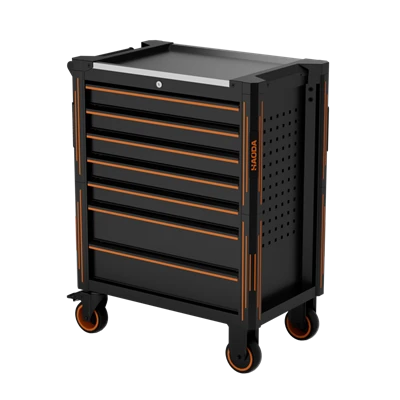
First, let’s talk prep—don’t just grab a rag and start scrubbing. You need to empty the cart completely. I know, I know, it’s a hassle, but pull every drawer out, set all those tools on a nearby workbench, and don’t forget the top surface—those old spark plugs, nut drivers, and leftover sealant tubes are hiding under there. If you have any loose compartments (like side bins for screwdrivers or socket sets), take those out too. Pro tip from my team: lay a sheet of cardboard down on your workbench while you unload—you’ll catch any small nuts or bolts that roll off, so you don’t lose them. That’s the last thing you want, especially when you’re mid-clean and can’t find a single 1/4-inch socket.
Next, pick the right spot and supplies. You don’t need a pressure washer (unless your cart’s super gross, but even then, go easy)—you’re at a workshop, so a driveway or big utility sink works. Grab these basic things: warm water, a bucket, mild dish soap (not that harsh degreaser you use on engine parts—we don’t want to ruin the cart’s finish), a stiff-bristle brush (like a nail brush, but not too hard that it scratches the metal), a soft microfiber cloth for wiping down drawers, a cotton swab for those tiny gaps, and a dry towel. Oh, and if you have a lot of grease or old oil buildup, a little baking soda mixed with water makes a way better paste than a commercial degreaser—no fumes, and it’s gentle on the cart’s paint.
Now, let’s tackle the different parts one by one, because each part gets dirty in its own way. First, the exterior frame and top surface. This is where most of the gunk lives—old grease, concrete dust, maybe even a splash of coffee if you’re like most workshop folks. Start by wiping off the big chunks first with a dry microfiber cloth—don’t get a brush on there yet, that’ll just spread grime. Then mix a bucket of warm water with a couple squirts of dish soap, dip your brush in, and scrub the frame, paying extra attention to the wheels and the bottom edges where dirt builds up. For grease stains, make a paste of baking soda and a little water, rub it on the stain, let it sit for 5 minutes, then scrub. Don’t scrub too hard on painted finishes—especially if your cart’s a colored one (we sell carts in red, blue, and black, and the paint scratches way easier than you think). If you have chrome parts (some of our premium carts have chrome accents), skip the baking soda paste—use a little white vinegar on the cloth, that’ll shine it up without scratching.
Next, the wheels. I swear, 90% of the carts we get for repairs have gunk caked in their wheel bearings or between the wheels and the axle. If your wheels look like they have road tar or concrete crammed in there, take a rag dipped in soapy water and wrap it around the wheel, hold it tight, and roll the wheel back and forth—all that gunk will wipe right off. If there’s really stubborn buildup, use a cotton swab to get into the tiny crevices between the wheel and the cart frame. Pro hack: if your wheels are squeaky after cleaning, a tiny drop of vegetable oil (not motor oil, that’ll attract more dirt) on the wheel’s axle will make them roll smooth again. No need to take the wheels off unless they’re super dirty—we’ve found that leaving them on makes the whole process way faster, and you won’t lose the tiny hardware holding them on.
Now the drawers—this is where it gets personal. Drawers get covered in dust, small metal shavings, and whatever you spilled inside last week. First, empty the drawer completely (again, maybe those small items roll onto the floor, so keep a eye out). Wipe the inside of the drawer with a dry microfiber cloth to get all the loose shavings and dust. Then, dip a soft cloth in the soapy water, wring it out so it’s almost dry (you don’t want to get the inside of the drawer wet, which can cause rust), and wipe the inside. If there’s a sticky spot from sealant or old epoxy, a little rubbing alcohol on a cloth will break it up—way better than scrubbing and scratching the drawer’s bottom. Don’t forget to clean the drawer slides too! Those little tracks that the drawer rolls on get gunked up with dirt, which makes the drawer jam. Use a cotton swab dipped in soapy water to clean along the inside of the slide, then wipe it dry. If the drawer still feels tight after cleaning, a tiny bit of graphite powder (you can pick this up at any hardware store) on the slide will make it glide like new. We use graphite on all our carts at the factory to make opening and closing drawers easier, so it works every time.
Once you’ve cleaned all the parts, it’s time to put it all back together—but don’t rush that part. Let every single part dry completely before you put tools back in. If you close a wet drawer or roll a wet cart across concrete, you’re setting yourself up for rust, which is the enemy of any metal tool cart. Wipe all parts with a dry towel, especially the drawers and wheels. If you want to give it an extra layer of protection, a light coat of carnauba wax on the exterior frame will keep dirt from sticking next time you clean it. It’s way easier than scrubbing off grease every month, and it doesn’t leave a weird residue on your tools.
Wait, one last tip that’s super important: how often should you do this? If you use your cart every day (like most mechanics or contractors), once a month is perfect. If it’s in your garage for occasional DIY projects, every 3 months is enough. Don’t wait until the drawers are so jammed you can’t pull a socket out—trust me, I’ve seen a mechanic spend 20 minutes prying a drawer open when they could’ve spent 10 minutes cleaning it the weekend before.
Now, I know what you’re thinking—what if my cart’s in way worse shape? Like, it’s got old oil stains that won’t come off, or the paint is chipping? Don’t worry, we make rolling tool carts that are built to handle all that workshop chaos, so even if yours looks like it’s seen better days, a good clean will make it look almost new. And if you’re in the market for a new cart that’s easy to keep clean (we built ours with sealed drawer slides and scratch-resistant paint for exactly that reason), hit us up. We work with mechanics, contractors, and even big construction companies to get carts that fit their needs—whether you need a small cart for your garage or a full-size one with 10 drawers for a job site.

If you have questions about cleaning your specific cart, or want to talk about upgrading to a new one, just reach out. We’re here to help with whatever you need.
Modular Tool Cart References
- National Institute for Occupational Safety and Health. Workshop Tool Maintenance Best Practices, 2022.
- Automotive Service Excellence. Tool Cart Care for Professional Mechanics, 2021.
- American Homeowners Association. Cleaning Metal Workshop Equipment, 2020.
ZHEJIANG JINHAODA INDUSTRY AND TRADE CO.,LTD.
Zhejiang Jinhoda Industrial & Trading Co., Ltd. is one of the most professional rolling tool cart manufacturers and suppliers in China. Please rest assured to wholesale high quality rolling tool cart with ISO certification from our factory. Welcome to contact us for customized service and OEM service.
Address: No.12, Shanyan Road, Hutown, Jinyun County, Lishui City, Zhejiang Province,China
E-mail: Sales16@cnjinhaoda.com
WebSite: https://www.haodacabinet.com/
