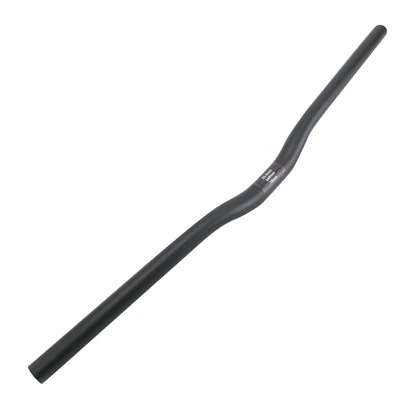
If you’re a mountain biker, you’ve probably stared at your handlebars at some point, wondering if they’re right for you. I get it—when you’re out on the trail, every little detail feels like it could make or break your ride. As someone who’s spent years in the mountain bike handlebar game (and still gets out on the trails whenever I can), one question comes up more than almost any other: How much wider should my handlebars be than my shoulders? Mountain Bike Handlebar

It’s not a random number, either. Too narrow, and you’ll feel cramped on tight switchbacks, struggling to control your bike through rock gardens. Too wide, and you’ll be fighting to maneuver, knocking your bars on trees or bushes, and even straining your shoulders after a long ride. So let’s break this down, no confusing jargon—just straight talk from someone who’s seen what works (and what doesn’t) firsthand.
First, let’s get the basics right. Your shoulder width is your go-to starting point, but it’s not just a tape measure number. Think about the pads of your shoulders, not the tips. Those pads are where your body connects to your bike, and the handlebars should line up with that to keep your posture natural. If your bars are too narrow, your arms will be squeezed inward, putting extra pressure on your wrists and shoulders. I’ve had customers tell me they dealt with elbow pain for months before they tried a wider bar—game changer.
Now, the science part (but keep it simple). Studies from bike industry gear testers and even kinesiology folks show that the sweet spot is usually 2 to 5 centimeters wider than your shoulder width. Wait, 2 to 5 cm? That’s a big range, right? Here’s why it’s not one-size-fits-all. Your riding style matters a ton. If you’re into cross-country (XC) riding, which is all about speed and climbing efficiency, you might lean toward the lower end of that range—2 to 3 cm. Narrower bars help you cut through the wind, keep your weight centered, and make those fast, tight climbs easier. I’ve made XC-specific bars that hit that 2.5 cm mark, and the feedback was that riders could pump through singletrack without feeling like their arms were pinned.
If you’re more of an enduro or trail rider—think rough descents, technical rock sections, big jumps—you’ll want the wider end: 3 to 5 cm. These bars give you more leverage when you’re bombing down hills, letting you steer with more control and absorb bumps better. Last year, a trail rider came to me saying his 68 cm bars (which were only 1 cm wider than his shoulders) were causing him to hit branches every time he tried a new line. We swapped him to a 72 cm bar (4 cm wider) and he messaged me a week later saying he’d avoided three trees on his next ride—total win.
Your body size also plays a role. A 5’2” rider with narrow shoulders isn’t going to fit a 78 cm bar, even if they’re into downhill. That’s way too wide for their frame, and they’ll struggle to reach the brakes. On the flip side, a 6’4” rider with broad shoulders will feel cramped with a 70 cm bar—they need that extra width to get proper control. I always tell new customers: grab a tape, measure across your shoulder pads (not the edges of your shoulders), then add 2-5 cm depending on where your riding style falls.
Wait, but what about standover height or frame size? Do those factor in a little? Yeah, a tiny bit. If your frame is small, you might not want to go super wide, because it can throw off your balance when you’re climbing. A small frame’s wheelbase is shorter, so too wide makes the bike feel twitchy. For medium to large frames, you have a little more wiggle room. I remember one customer with a small frame who tried a 74 cm bar and ended up taking it back—said it felt like the bike was “fighting” him on climbs. We swapped him to 71 cm, which was 3 cm wider than his shoulders, and that clicked. It’s all about balancing bar width with your bike’s geometry.
Another thing I see a lot: riders who copy what their favorite pro uses. Sure, pros have team sponsors that hook them up with custom setups, but most pro riders have different body types and riding styles than you. A pro downhill rider might be on 80 cm bars, but that’s because they’re 6’5” and need that control for big jumps. If you’re a trail rider who’s 5’6”, that 80 cm bar is way too much—you’ll be all over the place. Don’t follow the herd; focus on your own measurements and style.
How do you test if it’s right? If you’re buying a bar from us, here’s a quick tip I pass along: stand next to your bike, hold the bars loosely, and see if your elbows form a 90-degree angle. If they’re bent way in (too narrow), you need wider bars. If they’re flared out so far you’re stretching (too wide), go narrower. That 90-degree angle is your natural position—no strain, no cramping.
I’ve heard so many horror stories from riders who picked the wrong bar width. One guy said he had to stop halfway through a ride because his shoulders were so sore he could barely lift his arms. Another crashed because his bars were too narrow, and he couldn’t react fast enough to a tight turn. On the flip side, the stories of people finding their perfect bar are what make this job fun. A mom who started mountain biking with her kid, switched from 62 cm to 66 cm bars, and now rides every weekend without back pain. A teen who got a wider bar and finally stopped hitting his bars on tree branches. Those are the moments that make all the late nights designing new bars worth it.
So, if you’re in the market for a new handlebar, don’t just grab whatever’s on sale. Take 30 seconds to measure your shoulder pads, think about where you ride most, and use that 2-5 cm rule. If you’re still not sure, hit us up. We’ve been doing this for years, and we can help you pick the right width for your body and style. Whether you’re a casual trail rider or a serious enduro racer, we’ve got bars tailored to work with that sweet spot of width.
Ready to stop guessing and get a handlebar that fits you? Reach out to our team to chat through your needs, ask questions, or place an order. We’re here to help you ride better, not just sell you a product. No pressure, no confusing sales talk—just straight answers from people who love mountain biking as much as you do.
Road Bike Handlebar References
- International Mountain Bicycles Association (IMBA) – "Handlebar Width: Finding the Right Fit for Your Riding Style" (2022)
- Journal of Cycling Science and Practice – "Biomechanical Analysis of Handlebar Width on Shoulder and Elbow Load in Mountain Biking" (2021)
- GearLab – "Mountain Bike Handlebar Buyer’s Guide: Width, Rise, and Material" (2023)
- American College of Sports Medicine – "Kinesiological Considerations for Mountain Bike Equipment Setup" (2020)
Hunan Yecheng Technology Co., Ltd.
We’re well-known as one of the leading mountain bike handlebar manufacturers and suppliers in China, also support customized service. Please feel free to buy high quality mountain bike handlebar for sale here from our factory. For more information, contact us now.
Address: Changsha, Hunan Province, China.
E-mail: info@rxlsl.com
WebSite: https://www.rxlsl.com/
