If you’ve ever driven past a working grain farm during harvest season, you might have seen a tall, cylindrical steel structure standing near the fields, often with fans whirring and a faint rumble coming from inside. That’s a grain drying tower, and while it’s easy to write it off as just another piece of farm equipment, it’s one of the most critical tools in modern agriculture—especially for anyone who’s ever lost a crop to too much moisture or too little time to get it safely stored. I’ve spent 12 years working as a grain drying tower supplier, and in that time, I’ve talked to hundreds of farmers who didn’t understand why investing in a quality tower was non-negotiable. Let’s break down exactly what this equipment does, why it’s irreplaceable, and how it ties into every step of a grain’s journey from field to fork. Grain Drying Tower
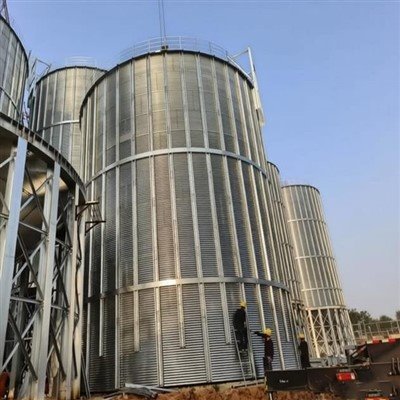
First, let’s start with the basics: what even is grain drying, and why can’t you just leave grain to air dry on its own? After farmers harvest corn, wheat, soybeans, or rice, the grain straight out of the combine has a moisture content of anywhere from 18% to 25% or even higher, depending on the weather. For reference, safe long-term storage for most grains requires a moisture level of 12% to 14%—any higher, and mold, bacteria, and insects will take over. Air drying grain by spreading it out on driveways, tarp, or fields works, but it’s slow, it’s weather-dependent, and it’s risky. If you get hit by an unexpected rainstorm mid-dry, you can lose thousands of dollars’ worth of crop in a matter of days. If you’re a small family farm with a few hundred acres, air drying might work, but for large-scale operations—those with thousands of acres, or farms in regions where harvest season is rainy and humid—you can’t rely on the sun to do the work. That’s where the drying tower comes in.
A grain drying tower works on a deceptively simple principle: it moves controlled, heated air through a column of grain to pull out excess moisture, evenly and efficiently. Unlike old-style batch dryers that only process a small amount of grain at a time, most modern drying towers are continuous-flow, meaning grain moves slowly from the top of the tower to the bottom as air circulates through it. The height of the tower—usually 20 to 40 feet—isn’t just for show; it lets grain have enough residence time (typically 2 to 10 hours, depending on the grain type and desired moisture level) to dry evenly. That’s a key point: uneven drying is just as bad as too much moisture. If one portion of a load is drier than another, it will spoil faster during storage, or the seed value will drop if you’re saving grain for planting next year.
But here’s the part that most farmers don’t realize: a drying tower isn’t just a moisture fixer. It plays a role in almost every stage of a grain’s post-harvest lifecycle, from reducing storage costs to protecting crop quality and even supporting sustainable farming practices. Let’s go through each of these roles one by one.
The first and most obvious role is preserving grain quality and preventing post-harvest loss. The Food and Agriculture Organization (FAO) estimates that roughly 14% of global food is lost post-harvest, and grain spoilage is one of the biggest contributors. For farmers, that lost grain isn’t just money in the bank—it’s time, labor, and resources they put into growing that crop gone to waste. A high-quality drying tower lets you adjust the temperature and airflow to match the grain type and conditions. For example, corn can handle slightly higher temperatures (around 110°F to 130°F) without losing its viability, while rice needs cooler air (no more than 100°F) to keep its taste and texture intact. Bad dryers either use too much heat, which cooks the grain and ruins its value (you can’t sell scorched corn to food processors or seed companies), or not enough heat, which leaves excess moisture and leads to spoilage. As a supplier, I’ve seen farmers who tried to cut corners on cheap, outdated dryers lose up to 20% of their harvest in a single season, compared to less than 2% with a properly maintained modern tower.
Next, drying towers cut down on storage costs. Let’s do a quick numbers check: a bushel of wheat with 18% moisture weighs about 62 pounds, but once it’s dried to 14% moisture, it’s only 60 pounds. That’s a small difference per bushel, but over 10,000 bushels, that’s 20,000 pounds you don’t have to store. More importantly, wet grain takes up more space in silos. Drying grain before storage means you can fit 10% to 15% more grain in the same silo, which means you don’t have to invest in extra storage bins to hold your harvest. Extra storage isn’t cheap—each grain silo can cost $50,000 or more, depending on size and materials. A drying tower pays for itself in just 2 to 3 years by eliminating that need. Plus, if you dry your grain right after harvest, you can store it longer and wait for better market prices instead of having to sell immediately when harvest supply is high. That flexibility is a huge financial win for farmers, especially small to mid-sized operations that don’t have the luxury of large commodity marketing teams.
Another underrated role of drying towers is protecting grain from pests. Stored grain pests like weevils, beetles, and mites thrive in high-moisture environments, where they can reproduce rapidly and destroy entire loads. When you dry grain to the safe moisture threshold, you create an environment that pests can’t survive in—no extra chemicals needed. That’s a big deal for farmers who want to reduce their use of pesticides, both for environmental reasons and to meet the demand for organic or low-chemical crops. I’ve worked with several organic farms specifically, who tell me that a drying tower is one of their most valuable tools because it lets them avoid chemical fumigants entirely. Fumigants are not only expensive, but they also require strict safety protocols and are often regulated, so cutting them out of the post-harvest process is a major benefit.
Now, let’s talk about how drying towers tie into sustainable agriculture, a topic that’s more important than ever for farmers who want to reduce their carbon footprint and meet consumer and retailer demands. Modern drying towers are far more energy-efficient than old models, thanks to variable-speed fans, heat exchangers that reuse waste heat, and controls that adjust airflow and temperature based on real-time grain moisture levels. A 2022 study by the American Society of Agricultural and Biological Engineers (ASABE) found that new continuous-flow drying towers use 30% to 40% less energy per bushel than batch dryers made before 2000. That’s a big reduction in energy costs, but it also means fewer greenhouse gas emissions from running the equipment. For farmers who are part of carbon credit programs, investing in an efficient drying tower can actually earn them extra income by reducing their farm’s carbon footprint. Also, as I mentioned earlier, reducing post-harvest loss cuts down on the amount of grain that’s wasted—so every bushel you save is less land, water, and fertilizer used to grow extra grain to make up for lost harvest.
Wait a second—couldn’t you just hire a third party to dry your grain instead of buying a tower? That’s a question I hear all the time, especially from new farmers. Outsourcing drying does have some benefits, but it also has downsides that make owning a drying tower worth it. First, when you outsource drying, you’re bringing your wet grain to a third-party facility, which means you’re transporting heavy, high-moisture grain that’s at risk of spoiling during transport. If you hit a delay in getting to the dryer, or the dryer is backed up during peak harvest season (which it almost always is), your grain can go bad before it’s even processed. Second, third-party drying services charge per bushel, which can add up to $0.50 to $1 per bushel or more—so over 10,000 bushels, that’s $5,000 to $10,000 a season, which adds up to way more than the cost of a quality drying tower over a few years. Third, when you own your own tower, you control the process. You can dry grain on your own timeline, adjust settings for different varieties, and avoid the risk of someone else mixing your grain with other loads, which can ruin its grade and value. For example, if you’re growing a specialty corn variety that’s worth more than commodity corn, you don’t want to risk it being blended with lower-value grain at a third-party dryer.
Of course, a drying tower is only as good as its design and maintenance. As a supplier, I always tell farmers that the most important features to look for are even airflow distribution, accurate moisture sensing, and energy efficiency. A lot of cheap towers cut corners on airflow design, which leads to some grain being over-dried and some under-dried—wasting energy and risking spoilage. Modern towers use perforated floors in the grain column and airflow sensors along the height to ensure every batch is dried evenly. Maintenance is also key: cleaning the tower after each use, checking fans and burners regularly, and calibrating moisture sensors can extend the life of a drying tower to 20 years or more, making it a long-term asset for your farm.
I’ve seen firsthand how a drying tower can turn a near-disastrous harvest into a profitable one. A few years back, I worked with a family farm in southern Ohio that had a 1,200-acre corn harvest threatened by a week of constant rain right at harvest time. Before they invested in their own drying tower, they would have had to rush all their corn to a third-party dryer, which was backlogged, and would have lost almost 15% of their crop to spoilage. With their new tower, they were able to process the corn over 10 days, drying it to exactly 13.5% moisture, storing it in their silos, and waiting 2 months for corn prices to rise by $0.75 per bushel. That single decision added more than $120,000 to their harvest revenue—enough to pay off the tower in one season and set them up for the next year. Stories like that are why I do what I do.
If you’re a farmer wondering whether a grain drying tower is right for your operation, or you’re looking to upgrade your current equipment, the next step is to talk to someone who understands your specific needs. Every farm is different: the size of your harvest, the types of grain you grow, your local climate, and your storage capacity all play a role in choosing the right tower for you. Don’t settle for a one-size-fits-all solution; a good supplier will work with you to assess your operation, explain your options, and help you pick a tower that will deliver long-term value, not just a quick fix. To learn more about how a grain drying tower can improve your harvest outcomes, connect with our team today to discuss your needs.
Corn Processing Equipment References
Food and Agriculture Organization (FAO). Post-Harvest Losses in Global Food Supply Chains: A Synthesis of Available Data. 2021.
American Society of Agricultural and Biological Engineers (ASABE). Energy Efficiency of Modern Grain Drying Systems. 2022.
US Department of Agriculture (USDA). Grain Storage and Preservation Guidelines for Commercial Farms. 2020.
Henan Huinong Machinery Co., Ltd.
Henan Huinong Machinery Co., Ltd. is one of the most professional grain drying tower manufacturers and suppliers in China, featured by quality products and low price. Please rest assured to buy discount grain drying tower from our factory. We also accept customized orders.
Address: No.6, Northeast Corner of the Intersection of Renmin Road and Zhujiang Road, New District, Huaxian County, Henan Province
E-mail: frank.tang@huinongmachinery.com
WebSite: https://www.huinongmachinery.com/
