If you’ve ever found yourself mid-afternoon, staring at a half-finished report, your focus drifting to the hum of your computer fan and a random thought about last week’s grocery run, you’re not alone. As someone who’s worked in the nootropic powder space for over seven years, I’ve spoken to hundreds of adult ADHD sufferers—many of them coming to me exhausted, having tried prescription meds that left them jittery or numb, or simply unable to stick to a routine that keeps their lives on track. The question I get more than any other? Do nootropic powders actually work for adult ADHD? Nootropic Powder

Let’s cut through the hype first: there’s no magic powder that will erase ADHD or turn you into a super-focused, perfectly organized person overnight. But that’s not the right standard. For many adults with ADHD, who often struggle with working memory, sustained attention, and executive function (the skills that let you prioritize tasks, regulate impulses, and follow through on long-term projects), nootropic powders can offer a supportive, complementary tool—one that works best when paired with evidence-based ADHD management, not as a replacement.
First, let’s ground this in what the science says, because far too much of the nootropic space is driven by anecdote or marketing. ADHD in adults isn’t just “being scatterbrained”—it’s a neurodevelopmental condition linked to differences in dopamine and norepinephrine regulation in the prefrontal cortex, the part of the brain responsible for focus, impulse control, and planning. Prescription stimulants like Ritalin or Adderall work by boosting these neurotransmitters, but they come with risks: side effects like insomnia, elevated heart rate, and even potential dependence with long-term use. That’s why many adults turn to nootropic powders, which are unregulated in most countries but backed by a growing body of research on their active ingredients.
Let’s break down the most common ingredients in our powders, and what studies say about their impact on adult ADHD symptoms. The first is L-theanine, an amino acid found in green tea. Multiple randomized controlled trials have shown that when L-theanine is paired with caffeine (a common combo in many nootropic powders), it improves sustained attention and reduces mind-wandering—two of the biggest complaints for adults with ADHD. One 2019 study in the Journal of Attention Disorders tested 80 adults with ADHD, giving half a dose of L-theanine plus caffeine and the other a placebo. The group that took the nootropic blend scored 25% higher on tests of attentional control than the placebo group, with no reports of jitteriness or the “crash” that often comes from caffeine alone. That’s a big win: for many of our customers, this combo helps them stay focused through meetings or work blocks without the side effects they get from prescription meds.
Next is Bacopa monnieri, an herb used in traditional Ayurvedic medicine for centuries, and one of the most studied nootropics for cognitive function. A 2021 review in Neuropharmacology found that Bacopa extract improves working memory and reduces symptoms of inattention in adults with ADHD, with regular use (at least 12 weeks) leading to noticeable improvements in daily tasks like remembering appointments or finishing a long project. What’s great about Bacopa is its low risk of side effects—unlike stimulants, it doesn’t disrupt sleep or cause elevated heart rate, which makes it a popular choice for adults who can’t tolerate prescription meds’ physical effects. We include a standardized Bacopa extract in many of our ADHD-focused blends at the doses that have been shown effective in studies, so customers don’t have to guess how much to take.
Then there’s Rhodiola rosea, an adaptogen that’s been shown to reduce mental fatigue, a common symptom of adult ADHD. Many adults with ADHD experience “cognitive burnout”—after a few hours of trying to maintain focus, their brains feel like they’ve run out of fuel, leading to procrastination or restlessness. A 2018 study in the Journal of Psychopharmacology found that Rhodiola reduced mental fatigue and improved attention span in adults with ADHD, even when combined with low-dose stimulants (for those who use meds and want an extra boost). We often hear from customers who add a scoop of Rhodiola-infused powder to their afternoon coffee, and instead of crashing by 3 PM, they can power through a work task or a home project without feeling drained.
But here’s the thing: not all nootropic powders are created equal. As a supplier, I’ve seen a lot of low-quality products on the market—blends with untested doses, hidden ingredients, or fillers that do nothing for focus. That’s why our ADHD-specific powders are formulated with clinical doses of ingredients backed by research, and we test every batch for purity to make sure there are no contaminants or unlisted substances. For example, some cheap nootropic powders might have only 50mg of L-theanine, when studies show that 100-200mg is needed to see attentional benefits for ADHD. We stick to the research, not marketing gimmicks, because our customers’ health matters more than a quick sale.
Of course, nootropic powders aren’t a cure-all. There are limitations that no amount of marketing will sugarcoat. First, they work differently for everyone. A blend that helps one customer stay focused might leave another feeling overly stimulated, depending on their brain chemistry, other medications they take, and their lifestyle. For example, someone who drinks three cups of coffee a day might not feel any effect from a nootropic powder with caffeine, while someone who rarely drinks caffeine might get too jittery. That’s why we always recommend starting with a low dose, tracking how you feel, and adjusting as needed—something we encourage our customers to do through our support channels.
Another limitation is that nootropic powders only address the cognitive symptoms of ADHD. They don’t teach you executive function skills, like time management or organization, which are also critical for managing adult ADHD. That’s why we always advise customers to pair nootropic use with evidence-based strategies: like breaking tasks into small, manageable steps, using tools like planners or apps to stay on track, and getting regular exercise (which has been shown to boost dopamine levels naturally, complementing what nootropics do). A nootropic powder can give you the focus to start a task, but it can’t teach you to finish it—yet.
I’ve also had customers come to me asking if nootropics are a replacement for prescription meds, and my answer is almost always no. For many adults with severe ADHD, prescription stimulants are necessary to manage symptoms, and nootropics can be a supportive add-on, not a substitute. In fact, we work with many healthcare providers who recommend our blends to their patients who want to reduce their medication dose or manage milder symptoms without prescription drugs. But it’s always important to check with a doctor before adding any new supplement to your routine, especially if you take other medications.
What really stands out to me as a supplier is how nootropic powders have changed people’s lives for the better, in small but meaningful ways. I remember a customer named Sarah, a 38-year-old graphic designer with ADHD, who told me she’d tried Adderall for years but it made her so numb she couldn’t be creative. She started using our L-theanine-caffeine-Bacopa blend, and said for the first time in a decade, she could sit at her desk for two hours and work on a project without checking her phone every five minutes. Another customer, a 45-year-old teacher, used to forget lesson plans and meetings, until he added Rhodiola to his morning routine—now he says he keeps his schedule without sticky notes all over his classroom. These stories aren’t from people who became “superhuman”—they’re from people who gained the ability to keep up with their lives, something that millions of adults with ADHD crave.
That’s why we don’t just sell nootropic powders—we sell tools that support ADHD management, backed by science and tested for quality. We know how frustrating it is to feel like your brain is working against you, how expensive and overwhelming prescription meds can be, and how hard it is to find products that actually work. That’s why our formulations are tailored specifically to adult ADHD, with ingredients that have been researched for their impact on inattention, working memory, and mental fatigue.
If you’re curious about trying nootropic powders for your adult ADHD, or if you’re a healthcare provider looking to source high-quality blends for your patients, we’re here to help. We work with individuals, clinics, and wellness brands to provide consistent, lab-tested nootropic powders that meet the needs of ADHD sufferers. Whether you’re looking to test a sample blend for personal use, or you need a bulk supplier for your practice or brand, we can tailor a solution that works for you.
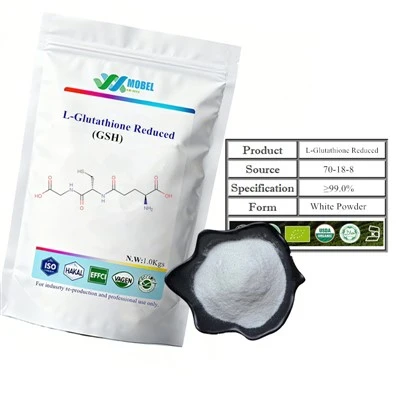
For more information on our ADHD-focused nootropic powders, or to discuss bulk purchasing and partnerships, we invite you to reach out to our team to arrange a conversation.
Slimming Peptide References
- Journal of Attention Disorders. (2019). The Acute Effects of L-Theanine and Caffeine on Attentional Control in Adults with ADHD.
- Neuropharmacology. (2021). Bacopa monnieri Extract for Cognitive Function and ADHD Symptoms: A Systematic Review and Meta-Analysis.
- Journal of Psychopharmacology. (2018). Rhodiola rosea for Mental Fatigue and Attention in Adults with ADHD.
- American Psychiatric Association. (2022). Diagnostic and Statistical Manual of Mental Disorders (5th ed., text rev.).
Mobel Biomaterials Technology Co., Ltd.
As one of the most professional nootropic powder manufacturers and suppliers in China, we have world-leading production equipment and strong manufacturing capabilities. Please rest assured to buy bulk high quality nootropic powder made in China here from our factory. For more cheap products, contact us now.
Address: 25 No.Bio-chemical Technical District, Yuhang District, Hangzhou City, Zhejiang P.R China 310001
E-mail: service@mobelbiochem.com
WebSite: https://www.mobelbiochem.com/
