Hey there, packaging pros, small business owners, and anyone who’s ever stared at a product box wondering, “Wait, which one do I actually need?” If you’ve been researching custom packaging lately, you’ve probably stumbled on two terms more times than you can count: tuck end boxes and rigid boxes. I’ve been supplying tuck end boxes for over 8 years now, and I still get at least a dozen messages a week from folks mixing these two up, asking which is worth their budget, which fits their products, and why they look so similar at first glance. Today, I’m breaking down the real, no-fluff difference between these two—no stuffy industry jargon, just straight talk from a supplier who’s seen both work (and fail) for clients. Tuck End Boxes
First, let’s get the basics out of the way: both are paper-based boxes, designed to protect whatever you’re putting inside, right? But that’s where the similarities end. I’ve had clients come to me saying, “I want a rigid box for my new candle line” only to realize they actually need something way more cost-effective, or vice versa. It’s not just about cost either—this choice impacts how your product feels on a shelf, how easy it is for customers to open, and even your shipping costs. Let’s start with tuck end boxes, since that’s what I specialize in, and I know them inside and out.
What exactly is a tuck end box? If you’ve ever ordered a pair of sneakers, a set of booklets, or a pack of small beauty products, you’ve definitely held one. The design is super simple: it’s a single piece of cardboard (or sometimes corrugated, depending on the version) that’s die-cut and scored into shape. The ends “tuck” into the main body—there’s no glue, no extra hardware, just those flaps that fold in and lock into place. When I make these for clients, the standard size range is pretty flexible too—from tiny 2x2x3 inch boxes for lip balm or jewelry, up to 12x10x8 inch boxes for small electronics or apparel samples.
Now, let’s talk pros for tuck end boxes, because that’s why they’re so popular with small businesses and mid-sized brands first starting out. Number one: they’re way cheaper. Since they’re made from a single flat piece of board, there’s no extra assembly labor, no gluing stations, and they’re way easier to ship flat. Wait, that’s a huge one for shipping—when you get a bulk order of tuck end boxes from me, they’re shipped flat, so you can fit 10x more of them in a single pallet vs. rigid boxes that are pre-folded and already in their final shape. That cuts your shipping costs dramatically, both for you getting the boxes and for you shipping products to customers. I’ve had a client last year who sells organic face oils go from spending $120 a month on shipping their packaging to only $45 when they switched to tuck ends—no joke.
Another big pro: customization is easy, and it’s versatile. You can print on them with vibrant full-color designs, add embossing for a logo, or even add a window cutout so customers can see the product inside. They’re also super quick to assemble—no waiting for glue to dry, no extra parts. My clients use them for everything from food packaging (small chocolates, granola bars) to retail displays (soaps, candles) to even subscription box inserts. The only downside I always warn people about? They’re not as durable as rigid boxes. If you’re shipping something fragile—like a glass ornament or a small gadget—tuck ends can dent if they’re stacked too high in a pallet. That’s where rigid boxes come in.
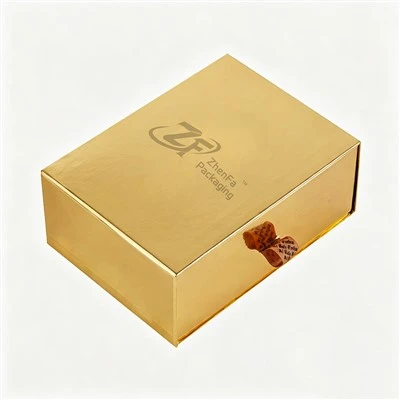
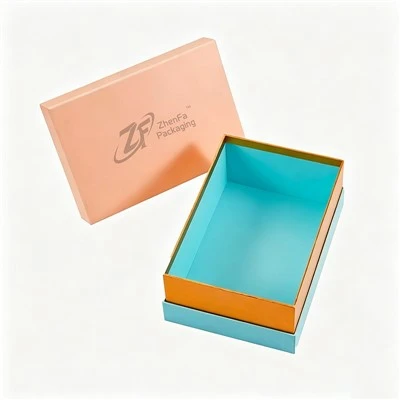
Now, rigid boxes. These are the ones you see for high-end products: luxury watches, premium skincare sets, tech accessories like wireless earbuds, or even gift sets for holidays. Unlike tuck end boxes, rigid boxes are made with two layers: a thick, heavy board (usually 2mm or more) called a “chipboard” or solid paperboard, wrapped in a paper or fabric cover. The design isn’t a single flat piece—you have separate top and bottom sections that are glued together, right? When I’ve had clients order rigid boxes from me (even though my main focus is tuck ends), I always tell them to remember one thing: rigidity is their whole thing. These boxes are built to hold their shape, so they protect fragile items way better, and they look way more premium when they’re on a store shelf. The unboxing experience too—when a customer opens a rigid box, that satisfying “crinkle” of the cover and the solid feel of the box makes it feel way more high-end than a tuck end. That’s a big deal for brands that are going after a luxury market—your packaging isn’t just a container, it’s part of the brand’s story.
But rigid boxes have their downsides, too, and I see a lot of people overlook these when they’re making a choice. First, cost. They’re way more expensive than tuck end boxes. That’s not just because of materials—they require more labor to assemble, since you have to glue the top and bottom, wrap the cover, and make sure all the edges are neat. Also, they’re bulky to ship—since you can’t flatten them, a single pallet of rigid boxes holds way fewer than a pallet of tuck ends, so shipping costs jump up. I had a client last quarter who made custom chocolate truffles for a wedding—they first tried rigid boxes because they wanted the luxury look, but after getting a quote, they realized tuck ends would cut their packaging cost by 60%, and the truffles were well-protected enough with a simple insert inside. They ended up going with tuck ends and their customers still raved about the presentation, to their surprise.
Now, let’s break down the key differences in a way you can actually use, not just a list of specs. Let’s start with cost. Tuck end boxes are the budget option—great if you’re ordering in bulk, need to keep overhead low, or are test-launching a product and don’t want to sink a ton of money into packaging upfront. Rigid boxes are the premium option—for when you’re established, charging a higher price point, and want that luxury unboxing experience to stand out from competitors.
Next, durability and functionality. Tuck ends work best for non-fragile items or items with a little extra protection inside (like bubble wrap, tissue paper, or a custom insert). They’re fine for shipping small, solid products, but if you’re shipping glass, ceramics, or something super delicate, they might not hold up during long transit. Rigid boxes, on the other hand, are rigid enough to protect those fragile items even if they’re stacked or jostled. They also hold their shape way better over time—if you’re using boxes for retail displays that sit on a shelf for months, rigid boxes won’t sag or bend like a thin tuck end might.
Then, customization and branding. Both can be customized, but tuck ends are more flexible for quick, low-cost customizations. You can print a full-color logo, add a QR code, or even do a matte finish for a modern look without breaking the bank. Rigid boxes let you do fancier stuff—like foil stamping, fabric covers, embossed logos that stand out, or even custom shapes (like a square with rounded corners). But that custom stuff adds to the cost, of course.
Wait, also assembly time. If you’re a small business owner doing your own packing, tuck end boxes are a total win. You can fold a hundred of them in 10 minutes—no glue, no tools. Rigid boxes take way longer to assemble, so if you’re doing in-house packing, you might have to hire extra help or pay for pre-assembled boxes, which adds to your cost. That’s a big one I never see online—if you’re handling packaging yourself, assembly time is a huge factor.
Let’s talk about common mistakes I see people make, too. The first one: assuming rigid boxes are always better. I had a skincare client last year who spent $2,000 on rigid boxes for their serum bottles, only to find out their tuck end boxes (which cost $500 for the same quantity) worked just as well—they just added a small foam insert to hold the bottles in place, and no breakages in shipping. The second mistake: thinking tuck ends look cheap. Modern tuck end boxes can have matte finishes, soft-touch coating, or vibrant prints that look just as high-quality as rigid boxes, especially if you pair them with a nice tissue paper inside. I’ve had clients who switched to tuck ends and saw sales go up because the packaging felt clean and professional, not cheap.
Another thing to consider: shelf presence. If you’re selling in a grocery store or a big box retail store, rigid boxes stand out more because they’re bulkier and have that solid feel. But if you’re selling online, tuck ends actually work great because they’re easy to pack into shipping boxes, and you can add a personalized sticker or note on the outside that makes the unboxing feel special. I’ve found that e-commerce brands love tuck ends because they’re practical for shipping, while in-store brands lean more rigid, but that’s not a hard rule.
Wait, let’s make this concrete with examples. If you’re a new Etsy shop selling handmade earrings: tuck end boxes are perfect. They’re small, cheap, easy to ship, and you can print your logo on them. Add a little tissue paper inside, and it looks way more put-together than a random plastic bag. If you’re a luxury watch brand launching a new line: rigid boxes are non-negotiable. They protect the watch, look high-end, and the unboxing experience makes customers feel like they’re getting something special. If you’re a bakery selling cookie gift sets: tuck ends work for small batches, but if you’re doing large corporate orders, rigid boxes might be better for display, but tuck ends are way cheaper.
Now, let’s get back to what I do as a tuck end box supplier. I always work with clients to figure out what’s right for them, not just push tuck ends because that’s all I sell. If you tell me you’re shipping a fragile glass product, I’ll recommend a corrugated tuck end box (which is a sturdier version) instead of a regular one, or even suggest a rigid box if that’s what your brand needs. If you’re test-launching a product and want to keep costs low, I’ll show you how tuck ends can be customized to feel premium without the price tag.
The last thing I want to leave you with is: there’s no universal “best” box. It all depends on your product, your budget, your brand, and how you’re selling it. Too many online articles will tell you rigid boxes are the future, or tuck ends are overrated, but that’s not true. It’s about matching the box to your specific needs.
If you’re still not sure which one is right for you, or you want to get a quote for custom tuck end boxes, I’m here to help. I’ve worked with thousands of small businesses, from Etsy sellers to mid-sized brands, and I can walk you through every option, no sales pitch just straight advice. Whether you need 100 boxes or 10,000 boxes, I can make sure you get exactly what you need without overspending on something you don’t.
Lock Bottom Boxes References:
- Packaging Digest. (2023). "Paper-Based Packaging Solutions for E-Commerce."
- Smith, L. (2022). "Luxury Packaging: Balancing Aesthetics and Cost for Small Brands."
- National Association of Packaging Manufacturers. (2021). "Comparative Analysis of Tuck End and Rigid Box Performance in Transit."
Wenzhou Zhenfa Packaging Co., Ltd.
As one of the most professional tuck end boxes manufacturers and suppliers in China, we have world-leading production equipment and strong manufacturing capabilities. Please feel free to wholesale bulk advanced tuck end boxes in stock here from our factory. Also, quotation is available.
Address: Room 105, Building 10, Century Science and Technology Entrepreneurship Park, Longgang City, Wenzhou City, Zhejiang Province
E-mail: ZhenfaPackaging@outlook.com
WebSite: https://www.cnzhenfa.com/
