As a cream filling machine supplier who has spent over a decade troubleshooting equipment for bakeries, confectioners, and artisanal dessert makers across 12 countries, I’ve seen every issue imaginable—from a machine that refuses to dispense cream entirely to one that splatters custard all over the production line mid-run. What many new operators don’t realize is that 70% of common problems aren’t due to broken parts or poor manufacturing; they’re just small, fixable misalignments or routine maintenance oversights. Over the years, I’ve helped hundreds of clients cut downtime by 80% by teaching them to troubleshoot issues step-by-step, without calling a technician for every minor glitch. This post breaks down the most frequent cream filling machine issues, their root causes, and the quick fixes I share with every one of our clients when they take delivery of their equipment. Cream Filling Machine
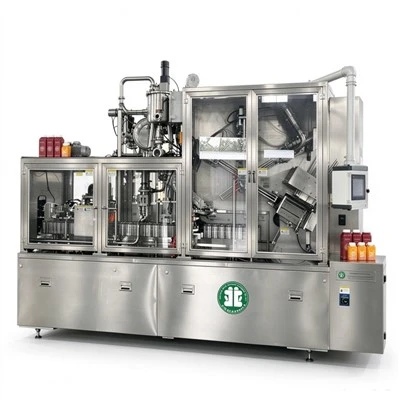
Let’s start with the most frustrating and common problem: inconsistent fill volumes. You set the machine to put 20 grams of vanilla cream in each cup, and one is 18, the next is 22, the next is perfect. This isn’t a “bad batch” issue. I remember a small craft bakery in Portland a few years back that was wasting 30% of their cream because of this exact problem, and they thought they needed to invest in a $15,000 precision upgrade. Turns out, the issue was 10 minutes of work. The number one cause of inconsistent fill volumes is improper hopper material temperature. Cream (and most fillings, like mousse or pastry cream) thickens as it cools, and thicker fluid flows slower through the fill nozzle—so colder cream delivers less volume. I always tell clients to keep their hopper jacket set to 12°C to 15°C, which is warm enough to prevent thickening but cold enough to stop cream from spoiling during a 4-hour run. Another common culprit here is a worn piston seal. Piston-style filling machines (the most common type for small to mid-sized operations) rely on a tight seal to push exactly the right amount of cream from the cylinder into the package. If you’re running the machine 12 hours a day 6 days a week, those seals wear out every 12 to 18 months, but you don’t need to replace the whole piston—just the $40 seal kit. The third quick check is the fill time setting. Many operators crank up the fill speed to get through a run fast, but if the nozzle is too small, a fast fill can create suction that pulls less cream through. For our standard 5mm nozzles, we recommend setting fill time between 0.8 and 1.2 seconds per cavity, not faster. I always test this during machine installation by running 10 consecutive fills and weighing each one before the operator takes over, and I walk them through adjusting that setting right on the machine’s touchscreen.
Next up: cream clogs in the nozzle or fill line. Nothing stops a production line faster than a nozzle plugged with lumpy cream or a chunk of butterfat. I’ve had clients run 2 hours of production only to find their line stopped because the nozzle was clogged, and they tried to pry it open with a screwdriver—scratching the nozzle and ruining the seal. The number one cause here is unrefrigerated cream left in the hopper overnight. I always emphasize that if you’re not running a machine through the end of the day, you have to drain the hopper and fill line, flush them with warm (not hot) water, and store parts in the fridge. If cream sits at room temperature for more than 2 hours, it starts to separate, and the fat solidifies into little chunks that plug nozzles. Another clog culprit is lumpy filling. A lot of home-style or small-batch fillings don’t get strained, so little pieces of fruit, butter, or sugar crystals can get caught in the nozzle. For machines with nozzles smaller than 4mm (used for mini pastries or bite-sized treats), I recommend straining all fillings through a 20-mesh sieve before loading them into the hopper—this takes 2 minutes and eliminates 90% of clogs. If you do get a clog mid-run, don’t use a metal tool. I supply every client with a small plastic cleaning brush and a warm water soak for the nozzle: remove the nozzle, let it sit in 40°C water for 5 minutes, then push a soft plastic rod through the inside to clear the blockage. That protects the nozzle’s precision bore, which is critical for consistent fills.
Another issue I hear about weekly: cream leaking from the nozzle between fills. You set the machine, it dispenses, and then you get a little drip of cream on the side of the cup or pastry. This might seem like a minor annoyance, but it leads to messy packaging, product waste, and even compliance issues if you’re selling pre-packaged desserts. The most common fix here is adjusting the nozzle’s cut-off pressure. If the pressure the machine uses to stop the piston after dispensing is too low, a little cream will dribble out; if it’s too high, you get inconsistent fills. For most of our machines, the ideal cut-off pressure is 1.2 bar to 1.5 bar for standard cream, and I teach operators to test this by running a fill, wiping the nozzle, and checking for drips—adjusting the pressure by 0.1 bar at a time until drips stop. Another often-overlooked cause of leaks is a misaligned nozzle. If the nozzle isn’t seated straight onto the fill cylinder, it creates a tiny gap where cream can seep out. A quick visual check: remove the nozzle, line up the grooves on the nozzle with the cylinder’s lugs, and tighten the clamp evenly (don’t over-tighten, which can crack plastic nozzles). I once had a client in Toronto who spent 3 days chasing a leak, thinking it was a faulty cylinder, until I asked her to check the nozzle alignment—she’d tightened one side of the clamp so hard the nozzle was tilted.
Now, for machines that won’t power up or stop mid-run entirely. This is the scariest issue for operators who are in the middle of a big order. I always start with the simplest checks before pulling the machine apart. First, check the power cord and the circuit breaker. A lot of times, a machine tripping mid-run is just the circuit breaker for the production room flipping because someone ran a mixer and the filling machine at the same time. If the power is on, check the hopper’s temperature sensor. Some machines have a safety shut-off if the hopper temperature is too high (which would spoil cream) or too low (which could freeze the cream and block the line). If the sensor is loose, just tightening it with a small screwdriver will fix the issue. Another common electrical issue is a dirty limit switch. The limit switches tell the machine when the piston is at the top (ready for a new fill) and the bottom (done with a fill). If cream gets on the switch’s contact points, it can prevent the switch from triggering, making the machine think it’s not in position to run. I show every client how to disconnect the switch, wipe the contacts with a dry cloth, and spray a tiny amount of electrical contact cleaner—this fixes 80% of mid-run power issues.
I also get a lot of questions about foamy cream after dispensing, or air bubbles in the filling. Foam not only ruins the texture of the dessert, it makes fill volumes inconsistent, because foam takes up space. The main cause here is air entrainment when loading the hopper. If you pour cream into the hopper too fast, you trap air bubbles that get pushed through the nozzle. The fix is simple: pour cream slowly, and before starting a run, run a “prime” cycle without any packages for 30 seconds to clear trapped air from the fill line. Another culprit for foam is a worn air filter on the machine. Our machines have a small filter that controls air pressure for the piston—if that filter gets clogged with cream residue, it sends too much air into the cylinder, which aerates the cream. The air filter costs $12 and should be changed every 6 months for a machine running 40 hours a week, a routine most operators forget.
Now, let’s talk about routine maintenance that prevents most issues before they happen. I tell every client that a 10-minute daily clean is better than a 2-hour repair every week. After each run, always disassemble the nozzle, fill cylinder, and hopper lid, and rinse them with warm water right away—cream hardens and gets stuck if you let it dry overnight. Every week, you should deep clean the interior of the fill line: run a solution of 1 part white vinegar to 10 parts warm water through the machine, let it sit for 15 minutes, then flush with clean water. This prevents limescale and cream residue buildup that can cause clogs and inconsistent fills. Every month, check all the clamps, screws, and seals for tightness—vibration from the machine can loosen these over time.
I’ve spent years building relationships with our clients, and one thing I’ve learned is that most of these issues don’t require a technician to come out. I’ve had a client in Mexico fix a fill volume issue over a WhatsApp voice note last year, walking them through adjusting the hopper temperature and piston seal. For bigger issues, of course, our support team is available 6 days a week, but 9 times out of 10, the fix is simple.
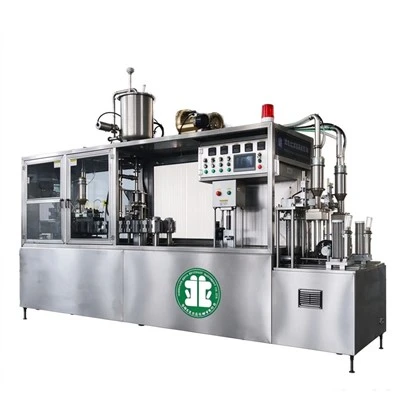
If you’re dealing with any cream filling machine issue—big or small—we’re here to help you troubleshoot, walk you through repairs, or find the right machine for your production needs. Whether you’re a small bakery just starting out or a large confectionery scaling production, we offer customized solutions tailored to your needs. Reach out to our team to discuss your requirements, troubleshoot current issues, or learn more about how our machines can improve your production efficiency.
Hot Filing Machine References
- Food and Drug Administration (FDA). (2022). Food Equipment Maintenance and Sanitation Guidelines for Confectionery Operations. U.S. Department of Health and Human Services.
- International Society of Beverage Technologists (ISBT). (2021). Precision Filling for Viscous Food Products. ISBT Press.
- Confectionery Production Magazine. (2023). Common Downtime Causes in Automated Filling Equipment. Vol. 45, Issue 2, 18-22.
- Dairy Foods Association (DFA). (2022). Cream Handling and Storage Best Practices for Food Manufacturing. DFA Technical Bulletin No. 17.
Shenyang Beiya Beverage Machinery Co., Ltd.
With abundant experience, we are one of the most professional cream filling machine manufacturers and suppliers in China. If you’re going to buy customized cream filling machine made in China, welcome to get quotation from our factory. For price consultation, contact us.
Address: No.2-1, Tongling Street, Yuhong District, Shenyang City, Liaoning Province, China
E-mail: market@sybeiya.com
WebSite: https://www.chinafilling.com/
