If you’re in construction, you know grout pumps are non-negotiable for big jobs—think filling foundation voids, anchoring rebar, or tile grouting for large-scale commercial projects. But when you’re on a move, a portable grout pump isn’t just a nice-to-have; it’s a lifesaver. As someone who’s been selling these bad boys for the last 8 years, I’ve seen way too many guys grab the first cheap unit off Amazon only to regret it on the jobsite mid-rainstorm. Let me break down what actually matters when you’re shopping for one. Portable Grout Pump
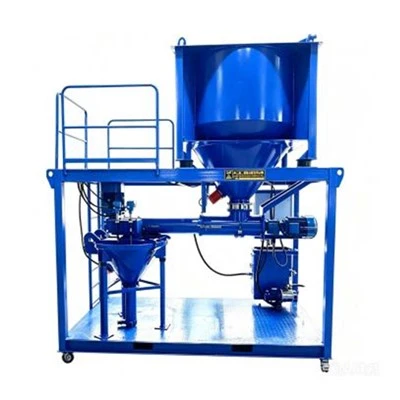
First, let’s cut the fluff: portable doesn’t mean flimsy. A lot of new folks mix up “light enough to toss in a pickup bed” with “built to run 12 hours straight in 90-degree heat.” I’ve had a customer bring back a $200 pump because it seized up after 30 minutes of grouting a residential slab. Don’t be that guy. Start with the basics: how much grout do you pump, and where? If you’re doing small DIY tile jobs, a compact 110V unit might work. But if you’re on a road job or remote site with no power, you need a gas or battery-powered model—no exceptions. I’d say 70% of the calls I get are from contractors who grabbed a 110V pump for a rural site and spent 3 hours running extension cords instead of grouting.
Next, the core specs that actually move the needle: flow rate, pressure, and hose compatibility. Flow rate’s how much grout comes out per minute—measured in gallons per minute (GPM). For light stuff like tile grout, 1-2 GPM is fine, but for structural grouting (like anchoring foundation bolts or filling large voids in concrete), you want at least 4-6 GPM. Pressure’s the other big one: too low, and grout clogs halfway down the hose; too high, and you blow a seal or crack a tile. Structural jobs usually need 1000-2000 PSI, while light tile work can get away with 500-800 PSI. Here’s a pro tip I learned the hard way: check the maximum hose length. Most portable pumps cap at 100 feet, but if you need to run 150 feet up a building, you’ll want a model with a higher pressure rating to keep grout from settling in the hose.
Don’t sleep on the pump’s core component: the pump type. There are three main ones for portable grout pumps, and each has its place. Piston pumps are the workhorses—they handle thick, high-viscosity grout (like sand-cement mix) and are built to last, but they’re heavier and pricier. Diaphragm pumps are lighter, easier to clean, and good for thin grouts (like epoxy or grout used in stone tile), but they don’t do well with chunky mix. Peristaltic (or hose) pumps are super portable, low-maintenance, and great for medium jobs, but they can’t handle grout with big aggregates (more than ¼-inch) without wearing out fast. I always tell customers: if you’re doing any structural work with sand-heavy grout, go piston. If you’re a tile guy who moves between residential jobs, diaphragm’s your call.
Power source: let’s hash this out. 110V electric pumps are cheap and quiet, but they’re tied to an outlet. That means if your jobsite doesn’t have power, you’re stuck. Gas-powered pumps are the go-to for remote sites—they run on regular gas, no cords, but they’re louder (you’ll get complaints from nearby offices) and need more maintenance (oil changes, air filters). Battery-powered is the middle ground now—new lithium-ion models last 4-6 hours on a single charge, are quiet, and no emissions. The catch? They’re more expensive, and if you forget to charge it mid-job, you’re dead in the water. I’d recommend battery-powered for small to medium commercial jobs, gas for big remote projects, and electric only if you’re always working at shops or job sites with power.
Weight and portability: this is where a lot of people drop the ball. A “portable” pump that weighs 200 lbs isn’t portable if you’re carrying it up three flights of stairs to tile a penthouse. Most manufacturers list the dry weight, but add in hoses, a mixer, and a bag of grout, and you’re looking at 50 lbs extra. Aim for a unit that’s under 100 lbs if you’re moving it by hand, and under 150 lbs if you’re just tossing it in a truck bed. Also, check for wheels and handles—some cheap models have flimsy plastic handles that break after one trip over a curb. I’ve had customers drive 2 hours to pick up a pump, only to find the handle was cracked, so I make sure every unit I sell has heavy-duty steel handles and pneumatic wheels for rough terrain.
Maintenance is the stuff no one talks about until their pump dies. Portable grout pumps get beat up on jobsite floors—dust, dirt, concrete splatters. Look for a model with easy-to-clean parts: the mixing hopper should pop off without tools, and the hose assembly should twist out so you can flush it quickly. Avoid pumps with hidden parts or sealed seals that you can’t access. Also, check how easy replacement parts are to get. A pump is useless if you can’t find a seal or hose within 2 days of it breaking. I stock all replacement parts for every pump I sell, so if you blow a seal on a Saturday, I can ship it out next-day for your Monday job. That’s the kind of backup you don’t want to skip.
Price vs. value: let’s be real, you get what you pay for. A $150 pump might seem like a steal, but it’ll break after 5 uses. A good portable grout pump runs $1000-$3000, depending on specs. I’ve seen guys save $500 on a cheap pump only to spend $1500 in repair fees and lost job time. Look at the warranty too—any reputable brand will offer at least a 1-year parts and labor warranty, not just a 30-day “if it breaks send it back” deal. I offer a 2-year warranty on all my pumps because I stand behind them. If a unit costs under $800, it’s probably built for light DIY work, not construction.
Bonus tips from someone who’s lived this: first, test the pump if you can. If you’re local, swing by and run a small batch of grout through it. Most of the time, specs online don’t tell you how smooth the flow is, or if it leaks. Second, get extra hoses. Clogs happen, and you don’t want to wait for a new hose to show up mid-job. I always throw in a free 10-foot hose with every pump sale for that reason. Third, don’t skip a mixer. A lot of portable pumps come with a small electric mixer, but if you’re mixing 80-pound bags of grout, get a heavy-duty paddle mixer that attaches to the pump’s power source—mixing grout by hand is a quick way to a back injury and lumpy grout that clogs your pump.
Wait, let’s talk about what not to do. I had a contractor last year buy a super light battery pump for a foundation job. He thought it was “portable enough” but the flow rate was too low, so he spent twice as long pumping, and grout started setting in the hose and clogged it. Ended up having to rent a bigger pump for half a day and lost money on the job. Another guy bought a piston pump but tried to run it with a 100-foot hose designed for a diaphragm pump—pressure dropped so low the grout didn’t reach the end, so he had to redo the whole job. Don’t cut corners on matching the pump to your actual job.
If you’re still unsure, ask yourself: what’s my most common job? If it’s tile work in residential buildings, go light, diaphragm, 110V. If it’s structural anchoring on rural sites, go piston, gas, 150 lbs max. If it’s medium commercial jobs in the city, battery-powered peristaltic, 100 lbs. There’s no one-size-fits-all, but there’s a perfect fit for your needs.
At the end of the day, a portable grout pump is an investment in your jobsite efficiency. The right one doesn’t just move grout—it lets you finish jobs faster, charge more, and avoid the headaches that come with a broken pump mid-project. I’ve been doing this for 8 years, and I can tell you: the guys who take the time to pick the right pump are the ones who finish jobs on time and keep customers coming back.
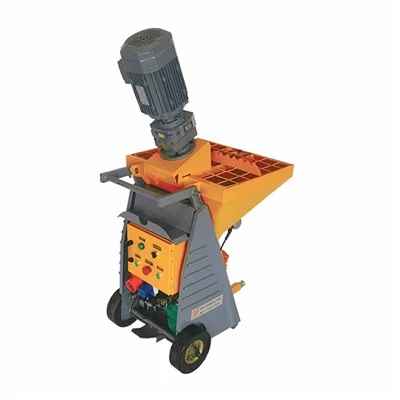
If you’re ready to stop wasting money on cheap pumps that die halfway through jobs, and start investing in a unit that works as hard as you do, reach out to me. I’ll help you pick the exact model for your work, no upselling, no nonsense. We can chat through your typical jobs, what power you have access to, and how much grout you run—no sales pitches, just straight talk from someone who’s been in the trenches with you.
Horizontal Mortar Mixer References:
- Construction Equipment Association. (2022). Portable Grout Pumps: Selection and Maintenance for Structural and Non-Structural Applications.
- Smith, J. (2021). Jobsite Efficiency: How Grout Pump Specs Impact Project Timelines. Journal of Construction Operations.
- International Concrete Repair Institute. (2020). Guide to Portable Grout Pump Selection for Commercial and Residential Construction.
- Miller, L. (2022). Maintenance Best Practices for Portable Construction Equipment. Construction Maintenance Monthly.
Zhejiang Wengong Intelligent Technology Co., Ltd.
Zhejiang Wengong Intelligent Technology Co., Ltd. is one of the most professional portable grout pump manufacturers and suppliers in China. With abundant experience, we warmly welcome you to buy durable portable grout pump made in China here and get quotation from our factory. Quality products and reasonable price are available.
Address: No.111 Huakang Road, Liuao Village, Qiaoxia Town, Yongjia County, Wenzhou City, Zhejiang Province, China
E-mail: sales007@cngcjx.com
WebSite: https://www.wallgoe.com/
