Maintaining a low cabinet doesn’t have to be complicated, especially when you’re the one sourcing these functional, space-saving pieces for your home or office. As someone who’s been in the low cabinet supply business for over eight years—first as a warehouse hand loading cabinets onto delivery trucks, now as someone who talks to dozens of customers every week—I’ve seen firsthand how a little consistent care can turn a basic storage unit into a long-lasting workhorse. Too often, people buy a low cabinet (whether it’s for holding office supplies in a small studio or kitchenware in a compact apartment) and then neglect it until a drawer sticks or a surface gets scratched. That’s why I wanted to pull together the practical, science-backed tips we share with our own team, because we want every customer who buys a low cabinet from us to keep it in great shape for years. Low Cabinet
First, let’s start with the thing that most people interact with every time they use their low cabinet: the surface. Low cabinets are usually made from one of three materials: laminate, solid wood, or metal, and each needs a different kind of cleaning. I can’t tell you how many times I’ve seen a customer use a harsh spray cleaner on a laminate cabinet—something with ammonia, like window cleaner—and watch the surface fade within a few months. Laminate is a thin, durable plastic layer glued to a particleboard core, so ammonia breaks down that plastic over time. For laminate, we recommend a gentle, pH-neutral cleaner mixed with warm water, like the kind you’d use for hardwood floors. Dampen a microfiber cloth (not a soaking wet sponge—excess water seeps into the edges where laminate might peel) and wipe the surface in the direction of the grain, if there is a grain. For solid wood low cabinets, which are popular in our mid-range line, the rules are a little different. Solid wood expands and contracts with humidity and temperature, so never leave a wet cloth sitting on the surface. If you spill something—coffee, juice, even a glass of water—blot it immediately with a dry cloth, don’t wipe it. Wiping spreads the liquid into the wood’s pores. Every six months, we suggest a food-grade mineral oil treatment; it seeps into the wood to prevent drying and cracking, and it won’t leave the sticky residue that furniture polish often does. For metal low cabinets, which are great for garages or home workshops where they might get dusty, a simple wipe with a dry cloth works for regular cleaning. If there’s a spot of rust (common if a cabinet’s stored in a humid space like a basement), use a soft steel wool pad—fine grade, so it doesn’t scratch the metal—dipped in white vinegar to rub the rust away, then dry it thoroughly.
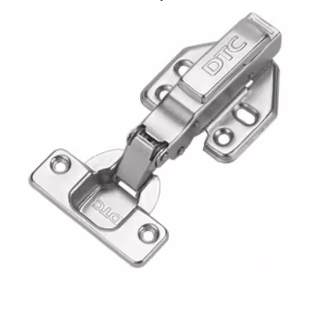
Next, the hardware: drawers and doors. A low cabinet’s real value is in its accessibility, right? If a drawer sticks every time you open it, it’s not just an inconvenience—it can lead to you yanking it too hard and breaking the track. We test every cabinet’s drawer slides in our warehouse, but even the best hardware needs a little maintenance. Every three months, take out all the items from the drawers, flip them over, and look at the metal slides. If they feel rough, a tiny bit of silicone lubricant (not WD-40, that’s a petroleum-based product that attracts dust) will smooth them out. Just don’t overdo it—one light spray on each slide is enough, because too much lubricant will make the drawers feel slippery and items might slide around. For the cabinet doors, if they start to sag (super common with lower cabinets that get heavy use), look for the adjustment screws on the back of the hinges. Most of our low cabinets have adjustable hinges, so a quarter turn with a screwdriver on the top or bottom screw will raise or lower the door to align it with the frame. I had a customer last month who had a door that wouldn’t close all the way; we walked her through adjusting the hinge, and she texted us a photo a day later saying it worked. That’s the kind of small fix that keeps a cabinet feeling like new, instead of needing to replace it after a year.
Now, the storage inside. A lot of people load their low cabinets with whatever fits, but overloading them is one of the fastest ways to damage a cabinet. For our wooden low cabinets, the interior shelves have a weight limit we list on each product page—usually around 50 pounds for standard shelves. If you stack 100 pounds of heavy cookbooks on a single shelf, that will bow the shelf over time, and the wood might crack. We always tell customers to distribute heavy items evenly: if you have a shelf with large pots, place them on the left and right sides, not just in the middle. For low cabinets used in offices, don’t stack more than two boxes of paper on a single shelf; that’s way too much weight. Another inside tip: if you store delicate items, line the shelves with a non-slip mat. I started recommending that after we had a customer who bought a low cabinet for her china; she said plates used to slide and chip when she opened the door, and adding a rubber shelf liner fixed that. It’s a small addition, but it protects both the cabinet and your belongings.
Environmental factors are something that people forget about, but they play a huge role in how long a low cabinet lasts. If your cabinet’s sitting next to a radiator or a sunny window, the constant heat or sunlight will fade laminate, dry out wood, and even warp metal over time. We recommend keeping low cabinets at least three feet away from heat sources, and if they’re in a sunny room, pull curtains closed during the brightest parts of the day. For people who live in humid climates (like Florida or the Gulf Coast), this is extra important. High humidity can make wood expand, which makes doors stick, and it can also lead to mold in the corners of the cabinet. If you live in a humid area, leave the cabinet doors open for a few hours every week to let air circulate inside. For people in dry climates (like Arizona), a small humidifier nearby will keep solid wood from cracking—just don’t point the humidifier directly at the cabinet.
One thing that surprises a lot of first-time buyers is that even with the best care, a low cabinet will pick up small scuffs over time. Instead of panicking, there are quick fixes for each material. For laminate scuffs, a pencil eraser works wonders—just rub the scuff gently and it will usually buff right out. For wood scratches, a wax stick that matches the cabinet’s finish (we sell these as an add-on with our cabinets) can be applied to the scratch, then wiped off with a cloth to blend it in. For metal cabinets, a little bit of metal polish on a cloth will get rid of light scratches. We even use these fixes in our warehouse when we touch up cabinets before shipping them, so they’re proven to work.
Now, let’s talk about common mistakes we see customers make. The biggest one is using the wrong cleaner. I can’t tell you how many times someone has told me they used Clorox wipes on their low cabinet, and the finish came off. Clorox has harsh chemicals that break down finishes, whether it’s laminate or wood. Another mistake is ignoring the base of the cabinet. If you have a low cabinet that sits on the floor, over time, water from mopping or spills can seep into the bottom and cause rot. We recommend putting small rubber feet under the cabinet (most come standard, but they’re cheap to replace) to lift it half an inch off the floor. That way, when you mop, you don’t have to worry about water getting trapped. The last mistake is not checking the cabinet regularly. A five-minute check every month—open the drawers, look for sagging shelves, wipe down the surface—can catch small problems before they become big ones. I once had a customer who noticed a small gap in a cabinet door and called us; we sent a replacement hinge, and she didn’t have to deal with a broken door later. That’s way easier than having to repair a damaged cabinet.
Office Desks At the end of the day, a low cabinet isn’t just storage—it’s a staple in your home or office, holding everything from your morning coffee mugs to your work files. We design our cabinets to be durable, but a little care goes a long way. If you’re in the market for a new low cabinet, or you already have one that you want to keep in top shape, don’t hesitate to reach out to our team. We know every model of low cabinet we sell, and we can give you specific tips tailored to your cabinet. Whether you need help with a stuck drawer, a scuffed surface, or just want to know the best way to clean it, we’re here to help. Contact our team today to discuss your low cabinet needs and find the perfect solution for your space.
References
- National Wood Flooring Association. (2022). Proper Care and Maintenance for Solid Wood Furniture.
- Laminate Institute. (2021). Best Cleaning Practices for Laminate Surfaces in Residential and Commercial Settings.
- Metal Furniture Manufacturers Association. (2023). Rust Prevention and Repair Tips for Steel Storage Cabinets.
- Small Business Administration. (2022). Space-Saving Storage Solutions for Compact Living Spaces.
- Environmental Protection Agency. (2021). Indoor Humidity Control for Preventing Wood Furniture Damage.
Jiangsu Yuhe Intercontinental Import & Export Trading Co., Ltd.
As one of the most professional low cabinet manufacturers and suppliers in China, we also support customized service. Please feel free to buy high quality low cabinet made in China here and get pricelist from our factory. For price consultation, contact us.
Address: No. 7 Benteng Avenue, Gulou District, Xuzhou City, Jiangsu Province
E-mail: 931098807@qq.com
WebSite: https://www.yhfurn.com/
