How do I choose a plant support system for a vine plant?
As a provider of plant support systems, I often encounter customers who are unsure about how to choose the right support for their vine plants. Vines are unique in their growth habits, and selecting an appropriate support system is crucial for their healthy development, aesthetic appeal, and overall productivity. In this blog post, I’ll share some insights on how to make an informed decision when choosing a plant support system for your vine plants. Plant Support Systems

Understanding Vine Growth Habits
Before diving into the selection process, it’s essential to understand the different growth habits of vine plants. There are three main types: twining vines, tendril – bearing vines, and clinging vines.
Twining vines, such as morning glories and honeysuckles, wrap their stems around a support structure. They require a support with a diameter that allows them to coil easily. A thin pole or a wire can be ideal for these types of vines. Tendril – bearing vines, like grapes and cucumbers, use specialized structures called tendrils to grasp onto supports. They can attach to a wider variety of surfaces, including mesh, trellises with small openings, or wire fences. Clinging vines, such as ivy and climbing hydrangea, have aerial roots or adhesive pads that allow them to attach directly to surfaces like walls, bricks, or wooden structures.
Consider the Size and Type of the Vine
The size of the vine at maturity is a critical factor in choosing the right support system. Some vines can grow to be very large and heavy, like wisteria. These large – scale vines need a sturdy, solid support. For example, a heavy – duty wooden or metal pergola can provide the necessary structural integrity for a mature wisteria vine.
On the other hand, smaller vines, such as some varieties of clematis, do not require as robust a support. A simple trellis made of bamboo or a lightweight metal frame may be sufficient. Additionally, consider the type of vine in terms of its growth rate. Fast – growing vines may quickly outgrow a small or weak support, so it’s better to choose a system that can accommodate their rapid expansion.
Evaluate the Growing Environment
The environment where the vine will be grown also plays a significant role in the selection of a support system. If the plant is going to be grown outdoors, factors like wind, rain, and sunlight need to be considered. For areas with strong winds, a more stable and firmly anchored support system is necessary. A ground – embedded metal or concrete post can offer better resistance to high – wind conditions.
In a garden setting with limited space, vertical support systems like wall – mounted trellises or hanging baskets can be a great choice. They allow the vine to grow upwards, maximizing the use of available space. If the vine is being grown indoors, the support system should be lightweight and suitable for the indoor aesthetic. For example, a decorative wrought – iron trellis can add an elegant touch to a living room with a potted vine.
Material Selection
The material of the plant support system is another important consideration. Different materials have their own advantages and disadvantages.
- Wood: Wood is a popular choice for its natural look and relatively low cost. It can be easily customized and is suitable for a variety of vine types. However, wood is susceptible to rot, especially in wet conditions. Treated wood can help mitigate this issue, but over time, it may still need to be replaced.
- Metal: Metal supports, such as steel and aluminum, are strong and durable. They can withstand harsh weather conditions and heavy vines. Metal supports can be powder – coated to prevent rust. However, they can be more expensive than wood and may be less aesthetically pleasing in some garden settings.
- Plastic: Plastic supports are lightweight, affordable, and resistant to rot and corrosion. They are easy to clean and can be found in a variety of colors. However, they may not be as strong as wood or metal and may become brittle over time, especially when exposed to direct sunlight.
- Bamboo: Bamboo is a natural, renewable resource. It has a rustic charm and is relatively lightweight. Bamboo supports are suitable for smaller vines and can be easily cut and assembled. However, like wood, it is also prone to damage from pests and weather.
Aesthetic Considerations
The support system should not only be functional but also enhance the overall appearance of the garden or growing area. A well – chosen support can become an attractive focal point. For example, an ornate wrought – iron trellis can add a touch of elegance to a formal garden, while a simple bamboo teepee can give a rustic look to a cottage garden.
When choosing a support system, think about the color, shape, and style that will complement the vine and the surrounding landscape. You can also consider using a support system that has a unique design, such as a spiral or a geometric shape, to make your vine stand out.
Installation and Maintenance
The ease of installation and maintenance of the support system is also important. Some support systems may require professional installation, especially those that are large or complex, like pergolas. Others, such as small trellises or stakes, can be easily installed by the homeowner.
Maintenance requirements vary depending on the material. For example, wooden supports may need to be stained or painted periodically to protect them from the elements. Metal supports may need to be checked for rust and repainted if necessary. Plastic supports are generally low – maintenance but may need to be replaced if they become damaged.
Cost
Cost is always a consideration when choosing a plant support system. The price can vary widely depending on the material, size, and complexity of the support. While it may be tempting to choose the cheapest option, it’s important to balance cost with quality and durability. A more expensive support system may last longer and require less maintenance in the long run, saving you money over time.
Our Plant Support Systems
As a supplier of plant support systems, we offer a wide range of products to meet the diverse needs of vine plant growers. Our product line includes wooden trellises in various sizes and styles, from simple lattice designs to elaborate arched structures. We also have sturdy metal pergolas that are built to withstand heavy vines and harsh weather conditions.
For those on a budget or looking for a more lightweight option, our plastic and bamboo supports are a great choice. Our plastic trellises are available in bright colors that can add a pop of color to your garden, while our bamboo stakes and teepees provide a natural and eco – friendly support solution.
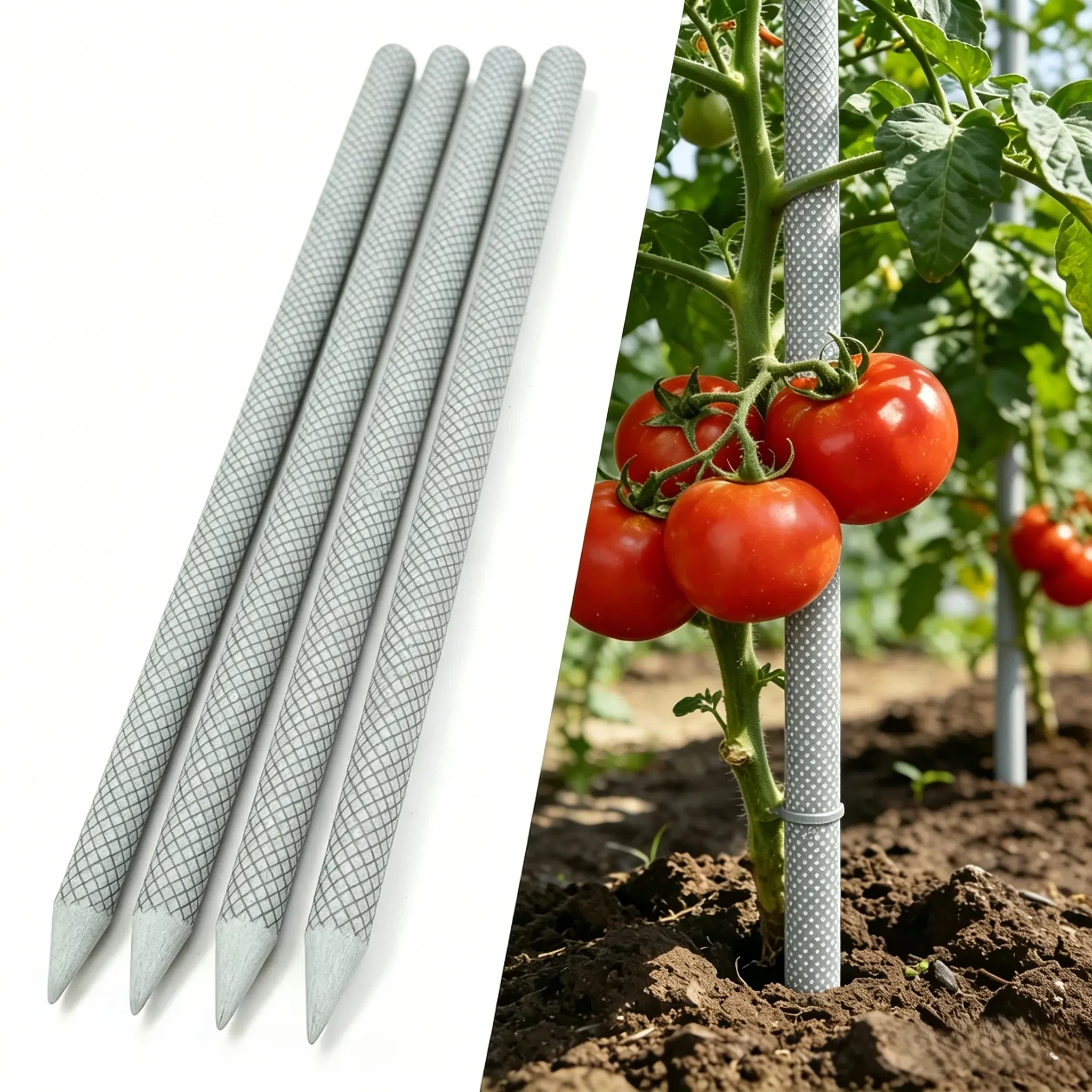
We understand that every vine plant and growing situation is unique, and our team of experts is always ready to help you choose the right support system for your needs. Whether you’re a professional gardener or a hobbyist, we can provide you with the guidance and products you need to ensure the success of your vine plants.
FRP Standard Profile If you’re interested in learning more about our plant support systems or would like to discuss your specific requirements, we encourage you to get in touch with us. We’re eager to start a conversation and help you find the perfect support for your vine plants.
References
- Smith, J. (2020). Gardening Basics: Supporting Vine Plants. Green Thumb Press.
- Johnson, A. (2018). The Complete Guide to Vine Plant Care. Horticulture Publishing.
- Brown, R. (2019). Materials and Design for Plant Support Systems. Sustainable Gardening Journal.
Yizheng Wanteng Composites Co., Ltd.
As one of the most professional plant support systems manufacturers and suppliers in China, we’re featured by quality products and good service. Please rest assured to wholesale bulk slip-resistant plant support systems for sale here from our factory. Contact us for pricelist.
Address: No. 20 Longyi Road, Qingshan Town Industrial Park, Yizheng City, Jiangsu Province, China
E-mail: mark@wantfrp.com
WebSite: https://www.wantfrp.com/
