What is the working principle of a tunnel kiln?
As a supplier in the tunnel kiln industry, I often get asked about the working principle of these remarkable pieces of equipment. Tunnel kilns are a crucial part of many industrial processes, particularly in the ceramic, refractory, and brick manufacturing sectors. Understanding how they work is essential for anyone looking to invest in this technology or simply gain a deeper insight into industrial firing processes. Tunnel Kiln
1. Basic Structure and Components of a Tunnel Kiln
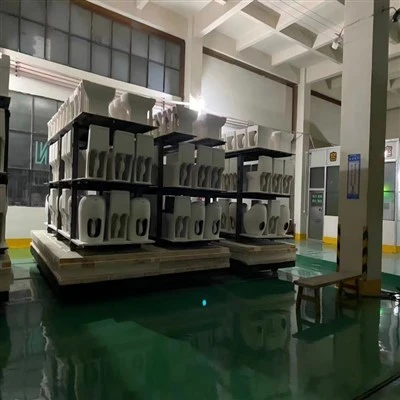
A tunnel kiln is a long, tunnel – like structure that consists of several key components. At its most fundamental level, it has an entrance, an exit, a kiln car system, a heating system, and a ventilation system.
The kiln car system is a series of cars that are used to transport the products through the kiln. These cars are designed to withstand high temperatures and are often made of refractory materials. They move slowly through the tunnel, allowing the products placed on them to be heated and cooled in a controlled manner.
The heating system is responsible for raising the temperature inside the kiln to the desired level. There are different types of heating systems, including gas – fired, oil – fired, and electric heating. Gas – fired systems are the most common due to their efficiency and relatively low cost. The burners are strategically placed along the length of the kiln to ensure uniform heating.
The ventilation system plays a vital role in the operation of the tunnel kiln. It helps to remove the combustion products, such as carbon dioxide and water vapor, from the kiln. Additionally, it can be used to control the temperature and atmosphere inside the kiln by introducing fresh air or recirculating the hot gases.
2. The Zones of a Tunnel Kiln
A tunnel kiln is typically divided into three main zones: the pre – heating zone, the firing zone, and the cooling zone.
Pre – heating Zone
The pre – heating zone is the first section of the tunnel kiln. As the kiln cars enter this zone, the products start to be gradually heated up. The heat is mainly provided by the hot gases that flow from the firing zone. This pre – heating process is crucial for several reasons. Firstly, it helps to remove the moisture from the products. If the products are heated too quickly without proper pre – heating, the moisture inside them can turn into steam rapidly, causing the products to crack or explode. Secondly, it allows the products to reach a more stable state before entering the firing zone.
In the pre – heating zone, the temperature gradually increases from the ambient temperature to a level close to the firing temperature. The rate of temperature increase is carefully controlled to ensure the quality of the products.
Firing Zone
The firing zone is the heart of the tunnel kiln. This is where the actual firing process takes place. The temperature in this zone reaches its peak, typically ranging from several hundred degrees Celsius to over a thousand degrees Celsius, depending on the type of products being fired.
In the firing zone, the chemical and physical changes occur in the products. For example, in ceramic manufacturing, the clay minerals in the ceramic products undergo dehydration, decomposition, and crystal transformation. These changes result in the hardening and densification of the products, giving them their desired properties.
The burners in the firing zone are precisely adjusted to maintain a constant and uniform temperature throughout the zone. This ensures that all the products on the kiln cars are fired evenly.
Cooling Zone
After the products have been fired in the firing zone, they enter the cooling zone. The cooling process is just as important as the heating process. If the products are cooled too quickly, they may develop internal stresses, which can lead to cracking or other defects.
In the cooling zone, the temperature is gradually reduced. The hot products transfer their heat to the incoming fresh air in the ventilation system. This heat can be recovered and used to pre – heat the incoming air or even the products in the pre – heating zone, improving the energy efficiency of the kiln.
3. Continuous Operation and Automation
One of the significant advantages of a tunnel kiln is its continuous operation. Unlike batch kilns, which need to be loaded, heated, cooled, and unloaded in a sequential manner, tunnel kilns can operate continuously. The kiln cars move through the tunnel at a constant speed, allowing for a steady production flow.
Modern tunnel kilns are often highly automated. The control systems can monitor and adjust the temperature, pressure, and gas flow in different zones of the kiln. This automation not only improves the efficiency and consistency of the firing process but also reduces the labor requirements.
4. The Role of Atmosphere Control
In addition to temperature control, atmosphere control is also an important aspect of tunnel kiln operation. The atmosphere inside the kiln can affect the quality and properties of the fired products.
For example, in some cases, a reducing atmosphere (with a low oxygen content) may be required to produce certain colors or chemical compositions in the products. This can be achieved by adjusting the fuel – air ratio in the burners. On the other hand, an oxidizing atmosphere (with a high oxygen content) may be necessary for other types of products.
5. Energy Efficiency and Environmental Considerations
As a tunnel kiln supplier, we are also very concerned about energy efficiency and environmental impact. Tunnel kilns can be designed to be highly energy – efficient. The heat recovery systems, such as the use of hot gases from the cooling zone to pre – heat the incoming products or air, can significantly reduce the energy consumption.
In terms of the environment, modern tunnel kilns are designed to minimize emissions. Advanced burner technologies and ventilation systems can help to reduce the release of pollutants, such as nitrogen oxides and particulate matter.
Why Choose Our Tunnel Kilns?
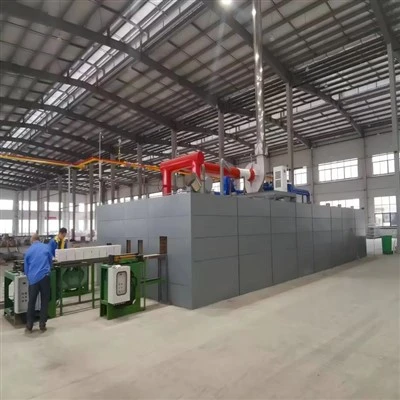
Our tunnel kilns are designed and manufactured with the latest technology and highest quality standards. We have a team of experienced engineers who can customize the tunnel kilns according to your specific requirements. Whether you are in the ceramic, refractory, or brick manufacturing industry, our tunnel kilns can provide you with a reliable and efficient firing solution.
Rotary Kiln If you are interested in learning more about our tunnel kilns or would like to discuss a potential purchase, please feel free to contact us. Our sales team is ready to answer all your questions and provide you with detailed information. We look forward to the opportunity to work with you and help you improve your production processes.
References
- Schneider, H. (2015). Industrial Kilns and Furnaces: Principles and Operation. Wiley.
- Reed, J. S. (1995). Principles of Ceramics Processing. Wiley.
- Kingery, W. D., Bowen, H. K., & Uhlmann, D. R. (1976). Introduction to Ceramics. Wiley.
Henan Yaxin Kiln Co., Ltd.
Henan Yaxin Kiln Co., Ltd. is one of the most professional tunnel kiln manufacturers and suppliers in China. With abundant experience, we warmly welcome you to buy high quality tunnel kiln with the latest design from our factory. Good service and punctual delivery are available.
Address: Jixian Industrial Zone, Shangqiu City, Henan Province
E-mail: 1543563178@qq.com
WebSite: https://www.hnyxkiln.com/
