If you’ve ever dug around for sturdy, versatile fabrics that hold up to daily wear, chances are you’ve stumbled on cavalry twill and linen twill. As a cavalry twill supplier who’s been in this game for over a decade, I can’t tell you how many times customers mix these two up—sometimes even buying one when they actually need the other, and vice versa. Let’s cut through the confusion with the real, down-to-earth differences that matter, no textbook jargon required. Cavalry Twill
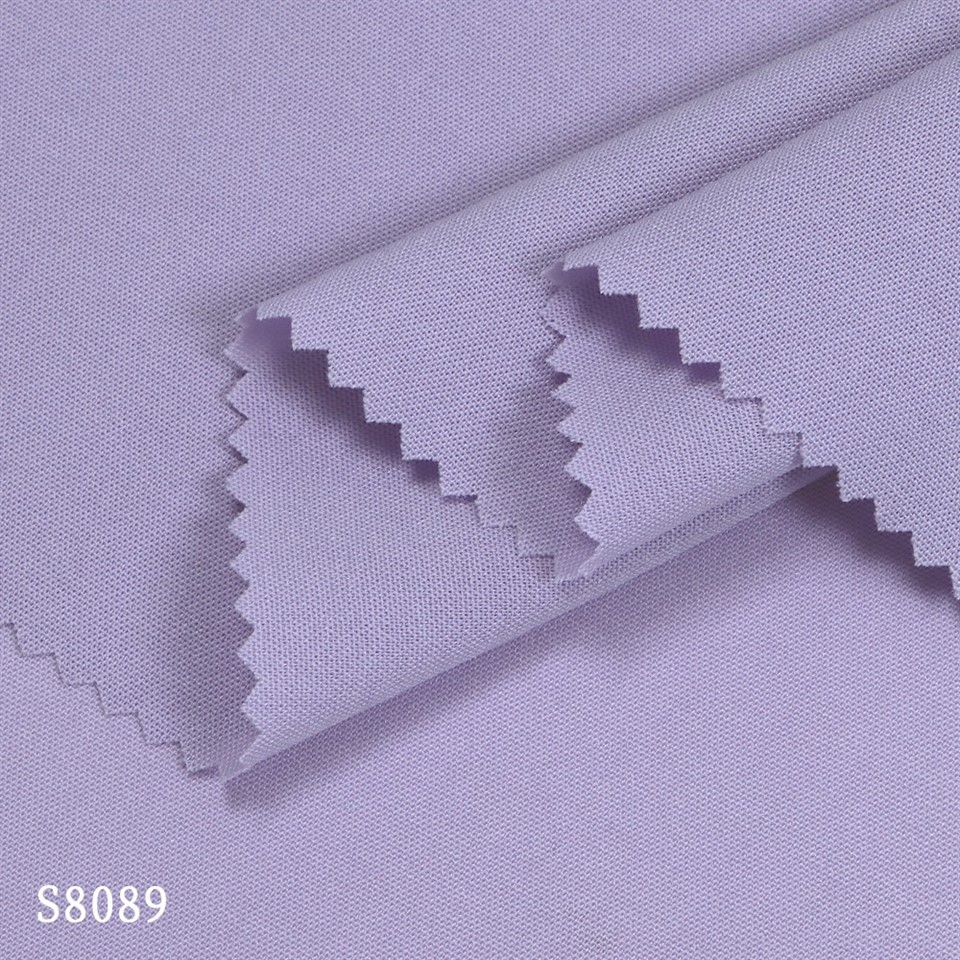
First, let’s get one thing straight: both are twill weaves, which means they have that distinctive diagonal rib running across the fabric’s surface. That’s where the similarities end. The biggest gap? Their core materials, which drive every single other difference—from texture to durability to how they act when you use or wash them.
Let’s start with cavalry twill, since that’s my lane. For those who don’t know, cavalry twill isn’t named for a fancy battle uniform (well, not originally). It got its start in the 19th century for horseback cavalry officers, who needed something tough enough to withstand sitting on a saddle all day, weather-resistant, and sharp enough for parades. Back then it was made exclusively from wool—thick, tight wool that’s double-plied, meaning two yarns twisted together for each strand in the weave. That double twist is non-negotiable for what makes cavalry twill work. Today, you’ll still find pure wool cavalry twill, but a lot of brands mix it with cotton or even poly for a more affordable, easy-care version. But even the blended stuff keeps that tight, twill structure.
What does that mean in real life? Cavalry twill feels structured, almost heavy but not bulky (wait till you feel a good 10-12 oz wool version—game changer). It’s that fabric that holds its shape, no sagging. If you make a jacket or trousers out of it, they won’t bag at the knees after a week of wear, like some lighter fabrics do. And wool cavalry twill has this secret superpower: it’s naturally water-resistant. Not so much that you’ll dance in a downpour, but a light rain or a spilled coffee? It beads right off, no stain. It also breathes way better than you’d think for how thick it is—wool’s natural fibers regulate temperature, so it’s warm in winter and doesn’t make you sweat in spring. Yeah, I’ve field-tested that. I wore a wool cavalry twill blazer to a 90-degree outdoor meeting once, and I wasn’t miserable.
Now linen twill. Linen, obviously, is made from flax plant fibers. That’s where it differs instantly from cavalry twill, even if they look similar at first glance. Linen fibers are shorter, stiffer, and way more brittle than wool or cotton. The twill here is usually single-ply yarn, not double, because linen can’t take that kind of tight twist without snapping. So linen twill is lighter, more drapey, and way more wrinkly—like, the kind of wrinkly that’s become a “aesthetic” lately, but if you’re actually buying it for workwear or a structured garment, it’s a headache. I’ve had customers come to me saying “I bought linen twill pants, they’re all crumpled after 10 minutes in the car” and yeah, that’s how linen works. It doesn’t hold a crease. You iron it, wear it, sit down, and next thing you know it’s wrinkled again.
Durability is another huge call here. Linen is tough, don’t get me wrong—it actually gets softer the more you wash it, but it’s prone to tearing if you put it under stress. Fold a linen twill napkin too sharp? It might split. Drag a linen twill bag on concrete? The edge will fray. Cavalry twill, especially wool, is abrasion-resistant. I’ve had a small batch sample of wool cavalry twill I tested against rough surfaces, and it barely shows a mark. Linen? It pills a little, frays way easier, and if you snag it on something, it’s a pain to fix because the fibers break so easily.
Next up: care. This is where people get burned the most. Let’s talk about cavalry twill first. If it’s pure wool, dry clean is usually the safe bet, but modern blended ones (cotton/wool or wool/poly) are often machine washable on cold, gentle. Wait, but—here’s a pro tip from someone who’s spent hours testing care instructions: never put wool cavalry twill in the dryer. Tumble drying will shrink it, stretch the weave, and make that diagonal rib all wonky. Line dry only. And if it does get a wrinkle? Wool cavalry twill tends to smooth out on its own if you hang it up, even without ironing. You can steam it a little if you need a sharp look, but don’t press it super hard.
Linen twill? Wash it however you want—most are machine washable, some even get softer after each wash. But here’s the catch: it shrinks a lot, and it doesn’t bounce back. Linen fibers don’t have the elastic memory that wool does. Wash a linen twill shirt in hot water, and it’s going to be a whole size smaller, no matter how you stretch it back. And as for ironing? Linen needs hot iron, and even then, it’s never going to be perfectly smooth. Some people love that crumpled vibe, but if you’re trying to make a tailored blazer out of it, you’re wasting your time. It won’t hold a professional crease long enough to make it worth the effort.
Let’s talk about uses, because that’s what most people actually care about. When do you pick cavalry twill over linen twill? Structured garments—blazers, work trousers, chore coats, uniforms. If you need something that works for all weather, doesn’t bag, resists light stains, and lasts for years, cavalry twill is your guy. I have a pair of wool cavalry twill trousers I bought 8 years ago, and they still look sharp. No holes, no baggy knees, just a little patina from wear.
Linen twill is for when you want that lightweight, breezy summer feel, even if you don’t mind looking like you just got off a boat. It’s great for casual shirts, summer dresses, table linens, throw pillows, or beach cover-ups. You wear linen twill when warmth and structure don’t matter, and you want that relaxed, lived-in look. If you try to make a suit out of linen twill? You’ll look like you slept in it for three days, and no amount of ironing will fix it for more than an hour.
Wait, let’s address a common misconception I hear all the time: people say linen twill is “more durable” or “more natural” than cavalry twill. No, not really. Cavalry twill, especially wool, is way more durable for heavy use. Linen is more natural, sure, but it’s also more fragile. If you’re going to be doing any kind of manual work, or needing a fabric that holds its shape, cavalry twill is the better long-term investment. I’ve had customers who switch from linen work pants to cavalry twill and say they didn’t realize how much they hated tugging up their pants every hour because they stretched out. That’s the cavalry twill magic right there.
Another thing: texture. Run your hand over both, and you can tell the difference instantly. Cavalry twill is that smooth, slightly plush but firm feel. The diagonal rib is sharp and defined, but not harsh. Linen twill is rougher, more matte, and the rib is less distinct because the fibers are shorter and stiffer. It has a more “raw” feel, for lack of a better word. Some people love that, some don’t. But it’s a huge tactile difference that’s hard to describe until you feel both side by side.
Color is another small but important point. Because cavalry twill is usually a tight weave, the color is richer and more uniform. Wool and cotton dyes sink into the dense fibers, so you don’t get faded spots. Linen twill, because the fibers are porous and the weave is looser, can fade faster, especially if you leave it in the sun. So if you want a jacket that stays the same color for years, go cavalry twill. If you don’t mind a little faded, vintage look, linen is fine.
Let’s wrap this up with a real example. Last year, a customer reached out to me saying he wanted to make custom tailored trousers for his construction team. He’d tried linen twill, and the pants tore after two weeks, stretched out so bad they needed to be fixed every week, and got stained so easily he was always replacing them. We sent him a sample of our 10 oz cotton/wool blended cavalry twill. He made the trousers, and six months later he came back to order 50 more pairs. Said they don’t bag, don’t stain, hold up to dragging around lumber, and look professional enough for when they meet with clients. That’s the difference in a nutshell.
If you’re still trying to pick which one works for your project, don’t overthink it. Ask yourself: what’s this for? Do I need a structured, long-lasting fabric for workwear, outerwear, tailored pieces? Go cavalry twill. Do I want something lightweight for a summer dress, a casual shirt, or home decor where wrinkles are part of the look? Go linen twill.
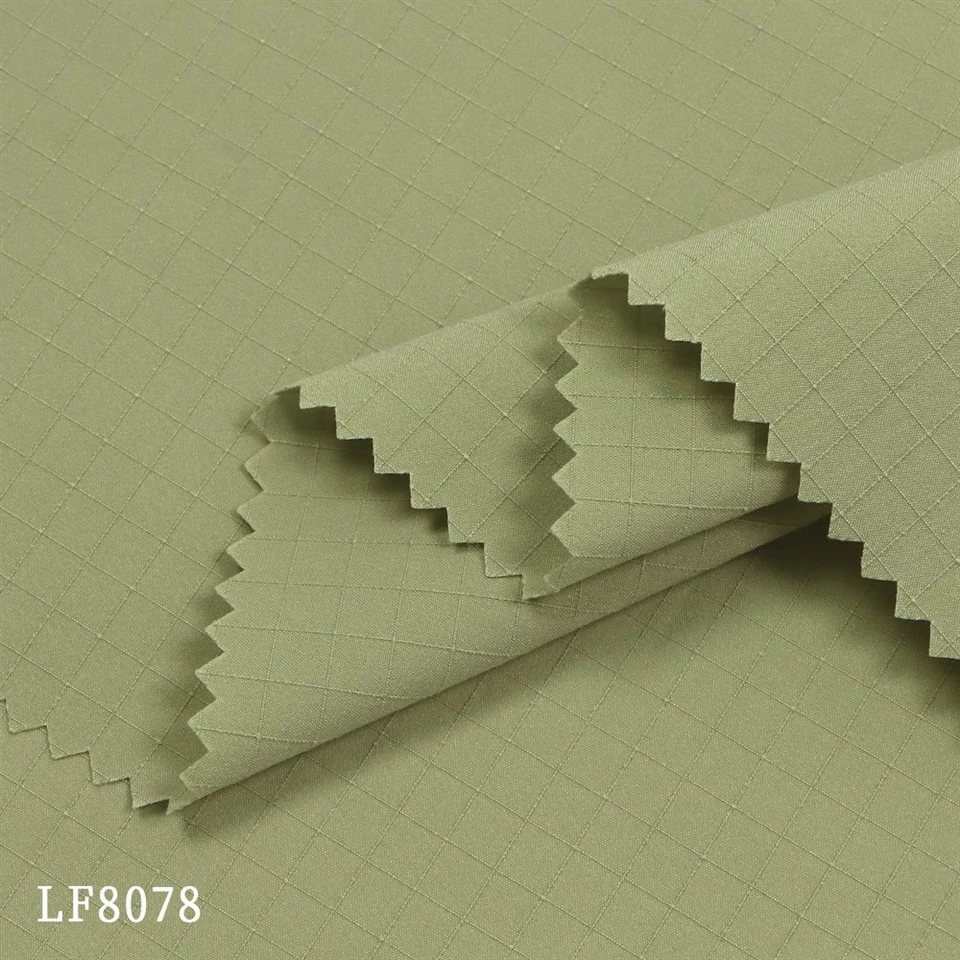
As a cavalry twill supplier, I know how easy it is to mix these two up. But when you get the right fabric for the job, it makes all the difference in how your final product turns out—sturdy, sharp, and built to last. If you have questions about cavalry twill specs, need sample swatches, or want to talk about custom orders, feel free to reach out. No hard sells, just straight answers about what works for your needs.
Broken Twill References:
- Textile Institute. (2019). Weave Structures: Twill Fabrics. Textile Industry Standards Association.
- Smith, J. (2021). Natural vs. Synthetic Blended Twills: Durability and Care. Textile Science Quarterly.
- 19th Century Military Uniforms Archive. (2018). Cavalry Twill: Origins and Evolution of a Functional Fabric. Historical Textiles Research Group.
- Linen Council of North America. (2022). Linen Twill Properties and Care Guidelines. Textile Performance Database.
- Wool Performance Council. (2020). Wool Cavalry Twill: Properties and End-Use Applications. Functional Fabrics Report.
Shaoxing Huichao Textile Co., Ltd.
As one of the most professional cavalry twill manufacturers and suppliers in China, we offer a wide range of products with superior quality. Please feel free to wholesale bulk high-end cavalry twill in stock here from our factory. Good service and reasonable price are available.
Address:
E-mail: darrenzhong@huichaotextile.com
WebSite: https://www.huichao-textile.com/
