If you’ve ever ordered custom or bulk kids suits from us here at [Your Kids Suits Co.] and tossed them straight into the laundry basket without a second thought, you’re not alone. As someone who’s spent the last 8 years designing, testing, and shipping kids suits for schools, weddings, birthday parties, and everyday wear, I’ve heard every horror story: the holiday suit that shrank so bad it only fit a stuffed bear, the ring bearer’s tux that turned into a crop top after one wash, the team suit that lost its crisp shoulder structure just because a parent used too hot of water. Kids suits aren’t just another piece of clothing—they’re often the one outfit that makes a kid feel confident, whether that’s on picture day, walking down an aisle, or posing for a graduation photo. Ruining one over a laundry mistake isn’t just a hassle; it’s a letdown for both kids and parents. Today, I’m pulling back the curtain on the science behind shrinking, plus the step-by-step method we teach all our retail partners, parents, and custom bulk clients to keep their kids suits looking like new wash after wash. Kids Suits
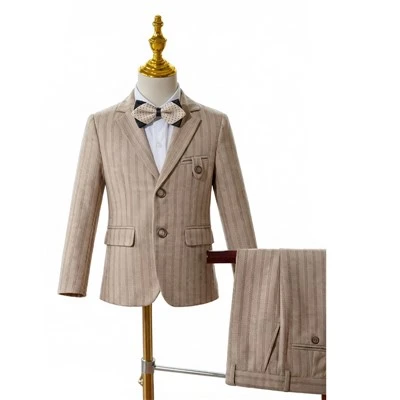
First, let’s talk about why suits shrink in the first place—no, it’s not just “the laundry eating clothes” myth. Most kids suits, especially the ones we supply (whether it’s a formal wool-blend tux for weddings, a polyester-viscose blend for school uniforms, or a stretch twill casual suit for playdates, all of which are our top sellers), are made with natural fibers or fiber blends that react strongly to heat and agitation. Cotton, for example, is a porous natural fiber that, when exposed to hot water, swells and then contracts as it dries—this is why cotton tees shrank 2 sizes back in the day before pre-shrunk processing. Wool, another common suit fabric, has a scaly outer layer that, when agitated in hot water, locks together like a net, causing felting and permanent shrinkage. Even synthetic blends that feel wrinkle-resistant can have hidden shrink factors: many polyester blends have a low melting point that can warp if exposed to temperatures over 140°F, and some spandex blends (we use a small amount in stretch suits for active kids) will lose their elasticity permanently if overheated. The key takeaway? Shrinking isn’t random—it’s a chemical and physical reaction, which means it’s totally preventable if you control the variables.
Let’s get to the step-by-step process, the same one we use in our own in-house care testing lab, where we wash dozens of kids suits every month to verify fabric quality. I’ll break this down by fabric type, because a wool formal suit needs a different wash than a polyester school suit, but there’s a universal base that works for almost all the kids suits we supply.
First, prep work—skip this and you’re already setting yourself up for issues. The first rule: always check the care tag, which we print clearly on every suit’s inner jacket lining and pants waistband. Our care tags don’t use confusing symbols; we write plain language: “Cool hand wash only” for wool blends, “Machine wash cold delicate” for polyester-cotton school suits, “Do not bleach, do not tumble dry” for all formal styles. But even if you lost the tag, follow these prep steps: turn the suit inside out. This is non-negotiable for two reasons: first, it protects the outer fabric (which is usually pressed, has a subtle sheen, or even a small logo or embroidery) from rubbing against the drum of the washer, which can cause fading or pilling. Second, it keeps seams and waistbands from stretching or catching on other items. Next, remove any accessories: belt ties, pocket squares, suspenders (if they’re detachable), and even tiny items like pins or name tags from school suits. These can snag on the suit fabric or leak dye if they’re made of different materials. Finally, fasten all buttons and zippers. A unbuttoned jacket can twist in the washer, causing uneven tension that leads to shrinkage in one shoulder or a shorter sleeve, while unzipped pants can get caught and stretch out of shape.
Now, the wash method—this is where most people go wrong. Let’s split it into two options: hand wash (best for formal wool, silk-blend suits, and delicate kids suits that need to stay crisp) and machine wash (safe for most synthetic blends and cotton-polyester school suits, our best-selling bulk style for elementary and middle school uniform programs).
Hand wash, our recommended method for suits that cost more than $50 (which includes all our formal, wedding, and custom bulk suits), is simpler than you think. First, fill a clean sink or basin with lukewarm water—key word: lukewarm, not hot, not even “slightly warm.” Test the water with your elbow, not your hand; your elbow is more sensitive to temperature, so it should feel like the temperature of a nice bath, not a hot shower. Add a tiny amount of gentle detergent—no regular laundry detergent, no bleach, no fabric softener. We recommend a wool-specific detergent (like Woolite Dark, or Seventh Generation’s gentle liquid detergent) because regular detergent has enzymes and harsh chemicals that can break down natural fibers like wool or silk. The amount? A teaspoon, max. If you see suds, you used too much. Swish the water around until the detergent is fully dissolved, then submerge the suit completely. Let it soak for no more than 5 minutes. Don’t leave it for an hour, don’t scrub it. Gently press the suit under the water a few times to let the detergent penetrate the fabric, but never rub or twist—this is what causes the fibers to lock together and shrink. After 5 minutes, drain the sink, then refill it with clean lukewarm water to rinse. Press the suit again, don’t wring, until no suds come out.
Machine wash is an option for our casual play suits and school uniform suits, as long as you follow strict rules. First, use only the delicate cycle on your washer—this has lower agitation, slower spin speeds, and shorter cycle times. Do not use the regular cycle, do not use the heavy-duty cycle, even if the suit looks “tough.” Set the temperature to cold, cold for both water in and water out. Hot water is the #1 cause of shrinkage, even “warm” water over 80°F can cause cotton and wool blends to shrink 5-10% in one wash. Next, wash only the suit, or put it in a mesh laundry bag if you’re washing it with other items. The mesh bag adds a layer of protection, preventing the suit from rubbing against zippers, buttons, or other clothes. Again, use a gentle detergent, no softener, no bleach. And never overload the washer—make sure the suit has room to move freely, not crammed in tight against other items.
Now, the drying step—this is the second biggest cause of shrinkage, after heat. I can’t stress this enough: never put a kids suit in the dryer. Ever. Even the “air fluff” cycle, even “low heat,” even if the tag says it’s safe. Dryers use high heat, tumbling agitation, and even the “low” setting is usually over 120°F, which is enough to warp synthetic fibers and shrink natural ones. Instead, air dry the suit properly. After you’ve rinsed the suit (whether hand or machine washed), the key step is to remove excess water without twisting or wringing. How? Lay the suit flat on a clean, dry towel. Roll the towel and the suit together like a burrito, then gently press down on the roll to absorb moisture. Do not squeeze, do not twist, do not pull. This removes about 50% of the water without putting tension on the fabric. Once you’ve done that, lay the suit on a second, dry, clean towel (or a drying rack, if you don’t have a second towel) in a well-ventilated area, away from direct sunlight. Direct sunlight can fade colored suits, so pick a shaded spot. For the jacket: smooth out the shoulders, sleeves, and lapels with your hands to remove any wrinkles, and hang the pants on a wooden or plastic hanger (not metal, which can leave rust stains) in a relaxed position—don’t pull the waistband tight, let it sit naturally. For the pants: button them at the waist and hang them by the cuffs, or lay them flat, whichever is easier. Wait for the suit to dry completely, which usually takes 12-24 hours, depending on humidity. If you need to touch up any wrinkles after drying, use a cool iron on the reverse side of the fabric—never a hot iron, and always use a press cloth between the iron and the suit fabric to avoid shine or burn marks.
Wait, what if you made a mistake and your suit already shrank? I get it, accidents happen. A lot of people ask us at [Your Kids Suits Co.] if there’s a way to reverse it. The short answer: minor shrinkage, maybe. Permanent shrinkage, no. For minor shrinkage (like 1-2 inches in sleeves or pants), you can try a wool stretching spray or a homemade solution: mix 1 part hair conditioner with 4 parts warm water, spray it on the shrunk area, then gently stretch the fabric to the original size, pin it to a towel, and let it air dry completely. This works for natural fibers like cotton or wool, because the conditioner softens the fibers, making them malleable as they dry. But for shrinkage that’s 3% or more, or shrinkage in structured areas like jacket shoulders, it’s permanent. That’s why prevention is always better than correction.
Now, a few specific tips tailored to the kids suits we supply, because we know kids are messy and active, and parents don’t have time to fuss over super complicated care. For example, our stretch twill suits (great for sports, dance, or active play) have a small amount of spandex, so you need to be extra careful with heat—even a single hot water wash can make the spandex stretch out permanently, not shrink. So for stretch suits, hand wash cold is best, or machine wash delicate cold with no spin cycle on high. For our wool-blend formal suits for weddings or holidays, we pre-shrink the fabric during manufacturing, but that pre-shrinking only works if you follow care instructions—if you wash them in hot water, they’ll shrink beyond the original size, even after our factory processing. For our bulk school uniform suits, which are made for heavy use, we use a durable polyester-cotton blend that holds up to occasional gentle machine washing, but we still warn parents to avoid bleach, which can break down the cotton fibers and cause shrinkage over time.
I also get a lot of questions from schools and youth program coordinators ordering bulk kids suits: what if we need to wash a whole set at once? The same rules apply. Use mesh laundry bags for each suit, set all machines to delicate cold, no tumble dry. We’ve tested this with hundreds of bulk orders for schools across the country, and the suits that follow this method stay the same size for 5+ years, even with 10+ washes. That’s important because kids grow, but a suit that fits a 7-year-old in first grade should still fit the same kid in second grade if it’s cared for right.

Let’s address some common myths that I hear all the time, because there’s a lot of bad laundry advice online. Myth 1: “You can wash a suit with other clothes to save time.” False. Even if you use a mesh bag, rubbing against other clothes (especially jeans, which have rough denim, or towels, which have loose fibers) can cause pilling on the suit, which makes it look smaller over time. Myth 2: “Dry cleaning is the only way to wash a suit.” False. For most of our suits, dry cleaning is unnecessary and expensive, and dry cleaning often uses harsh chemicals that can break down fabric fibers over time. The hand wash or delicate machine wash method works just as well, and is better for the environment. Myth 3: “More detergent gets the suit cleaner.” False. Too much detergent leaves a residue on the fabric, which can attract dirt and make the suit feel stiff, and even cause minor shrinkage over time because the residue locks fibers together.
Overcoat At [Your Kids Suits Co.], we build our suits to be durable, because we know kids (and parents) need outfits that work hard. A lot of companies cut corners on fabric quality to save money, but we test every suit we sell for wash performance—we wash dozens of sample suits in our lab, track shrinkage, fade, and pilling, and only sell styles that shrink less than 1% after 10 washes. That’s why we’re confident in the care methods I’ve shared here. Whether you’re a parent buying a suit for your kid’s first formal event, a school coordinator ordering bulk uniforms for a sports team, or a retail partner looking for reliable kids suit inventory, we’re here to help. If you have questions about care for a specific style, or you’re ready to place a bulk order, we’d love to hear from you to discuss your needs and find the perfect suit for your kids.
References
- Textile Institute. (2021). Shrinkage Behavior of Woven and Knit Fabrics. Textile Progress.
- American Cleaning Institute. (2022). Care Guidelines for Children’s Clothing: Shrink Prevention Best Practices.
- Woolmark Company. (2020). Care Instructions for Wool-Blend Garments for Children.
- ASTM International. (2019). Standard Test Method for Shrinkage of Textile Fabrics During Home Laundering.
- Cotton Incorporated. (2021). Wash and Care Guide for Cotton-Polyester Blend Apparel.
Ningbo Mantinno Fashion Co., Ltd.
As one of the most professional kids suits manufacturers and suppliers in China, we also support customized service. Welcome to wholesale bulk high quality kids suits in stock here from our factory. If you have any enquiry about quotation, please feel free to email us.
Address: Huijin Building, No.77 Heyi Road, Haishu District, Ningbo, Zhejiang, China
E-mail: helen@mantinno.com
WebSite: https://www.mantinnosuit.com/
