Hey everyone, thanks for stopping by. Today I wanna talk about something I get asked all the time as an end stop bracket supplier: can these little workhorses actually hold up in marine applications? If you’ve ever worked on boats, ships, or any kind of coastal gear, you know how brutal that environment is—saltwater corrosion, constant vibration, pounding waves, wild temperature swings. So let’s cut through the noise and get real about whether end stop brackets belong on the water. End Stop Bracket
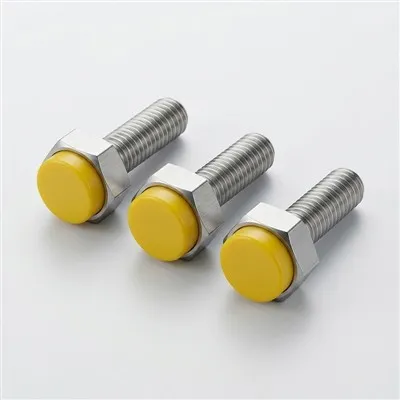
First, let’s remember what an end stop bracket does. At its core, it’s a simple support piece—usually a metal bracket designed to stop linear motion, hold components in place, take the brunt of sudden impact. Think of them in things like sliding doors, rail systems, actuator arms, or even heavy machinery on deck. But marine settings aren’t like your average factory floor or residential garage. The main enemy here is salt, right? Saltwater is way more corrosive than regular water; it’s like kryptonite for most metal parts if they’re not treated right.
I’ve been in this game for 8 years now, and I’ve seen it all. Early on, a customer came to me because they bought cheap end stop brackets from a generic hardware store to use on their fishing trawler’s winch rail. Within 6 months, those brackets were pitted so bad the stops bent under load, and the winch almost slipped off during a storm. That’s when I realized: not all end stop brackets are created equal for marine use. The ones that work are the ones built specifically for that harsh environment.
So let’s break down the key factors that make an end stop bracket marine-ready. First, material. You can’t use regular steel brackets here. Carbon steel rusts through in months when exposed to saltwater. The go-tos for marine-grade brackets are either 316 stainless steel or marine-grade aluminum. Wait, 304 stainless is common, but it’s not as good for saltwater. 316 has molybdenum in it, which makes it way more resistant to chloride corrosion—exactly what you get from salt spray or splashed water. Aluminum is lighter, which is a big plus for boat builders who want to keep weight down, but you have to make sure it’s anodized to add that extra protective layer. I’ve had customers mix up 304 and 316 before, so a little tip: if the bracket is for saltwater, it should say 316 right on the spec sheet. No exceptions.
Next, design. Marine equipment moves nonstop, right? Boats are bobbing, rolling, slamming—so any bracket used here has to handle dynamic load, not just static weight. Regular end stop brackets are often made for static applications, like holding a shelf. Marine ones need thicker walls, reinforced mounting points, maybe even gussets to distribute force so they don’t snap when a wave hits. I design my own brackets with that in mind: we add extra ribbing where the screws go, because loose mountings are one of the top causes of bracket failure on boats. I also skip any sharp edges that could catch on gear or cause injuries when people are moving around the deck.
Then there’s surface treatment. Even if you have 316 stainless, a little surface coating can go a long way. Powder coating, for example—done right, it creates a seal against salt and moisture. But here’s a trick: don’t use cheap powder coating that chips easily. I’ve tested low-cost powder coats; after a season of salt spray, they start to flake, and the metal underneath starts corroding. We use a industrial-grade polyester powder coat that’s UV-resistant too, because marine sunlight is intense—no one wants a bracket that fades and breaks down in the sun. For aluminum brackets, hard anodizing is non-negotiable; it’s way more durable than regular anodizing, so it won’t wear off when you’re wiping down the deck or moving equipment.
Wait, but let’s be honest—there are some marine applications where end stop brackets might not be the best call, or at least not without modifications. For example, submerged parts? Most end stop brackets I make aren’t designed to be fully underwater all the time. If you’re putting them on a underwater valve or a thruster mount, you need to talk to me first because we can adjust materials to something like duplex stainless steel, which is even stronger than 316 for extreme submersion. Another thing: vibration. Marine engines and generators cause constant vibration that can loosen screws. I always add nylock lock nuts or thread locker to the mounting hardware when we ship brackets for marine use—little things that make a huge difference long-term.
I recently worked with a custom yacht builder who was having issues with their sliding cockpit doors. The original brackets were regular 304 stainless, and after a year of coastal sailing, the doors would drift because the brackets had corroded and the stops wore down. They switched to our 316 marine-grade end stop brackets with reinforced mounting, and now they’ve been going strong for 3 years with zero issues. Another customer is a cargo ship operator who uses our brackets on their crane rail systems—those things take a beating from heavy loads and salt spray, and they haven’t had a bracket failure in 2 years since they made the switch.
But here’s the thing I always tell people: it’s not just about buying a “marine” labeled bracket. You have to match the bracket to the specific application. If you’re using a end stop bracket for a small fishing boat’s trolling motor mount, a lightweight marine aluminum one might work. If you’re using it for a large ship’s cargo crane, you need a heavy-duty 316 stainless bracket with extra thickness. Skipping that step leads to the same problems I saw with that trawler customer years ago.
I also get questions about cost. Marine-grade brackets are more expensive than generic ones, but let’s do the math: a $5 generic bracket that fails in 6 months will cost you way more in repairs, downtime, and even safety risks than a $20 marine-grade bracket that lasts 5+ years. I’ve seen guys try to cut corners and end up replacing brackets every few months, which adds up to way more in the long run. That’s a deal killer for a lot of boat operators who are already dealing with high maintenance costs.
So to circle back: yes, end stop brackets absolutely can be used in marine applications—if they’re the right ones. The key is material (316 stainless, marine aluminum, duplex steel for extreme cases), design that handles dynamic marine loads, proper surface treatment, and matching the bracket to your specific use case. Generic brackets might work for freshwater boats, but saltwater? You need to step it up.

At the end of the day, marine environments don’t cut slack, and your brackets shouldn’t either. If you’re working on a boat, ship, coastal gear, or any marine system and you’re not sure which end stop bracket is right for you, don’t guess. Reach out to me and my team—we’ve worked with all kinds of marine clients, from small fishing charters to large cargo operators, and we can help you find a bracket that fits your needs, your budget, and holds up out on the water. No one wants a broken bracket ruining a day of fishing or a critical cargo operation, so let’s make sure that doesn’t happen.
Valve Core References
- ASME Boiler and Pressure Vessel Code, Section IX: Welding Qualifications for Marine-Grade Components, 2022
- National Association of Corrosion Engineers (NACE), Corrosion Control in Marine Environments, 2021
- American Boat and Yacht Council (ABYC), Standard H-24: Corrosion Protection for Marine Hardware, 2023
- Stainless Steel Manufacturers Association, 316 Stainless Steel Performance in Chloride-Rich Environments, 2022
Tianjin TGE BIAM Graphene Technology Co., Ltd.
Tianjin TGE BIAM Graphene Technology Co., Ltd. is one of the most professional end stop bracket manufacturers and suppliers in China, also supports customized service. Please feel free to buy bulk advanced end stop bracket in stock here from our factory. For quotation, contact us now.
Address: No. 24 Sanjing Road, Dongli Development Zone, Tianjin City, China.
E-mail: sales@tge-tj.com
WebSite: https://www.tge-valve.com/
