If you’ve ever sat across a surgeon or gastroenterologist during a procedure, watching them adjust a small, unassuming tool between sterile gloves, chances are good that tool was an endoscopic cannula. For nearly 15 years, I’ve supplied these thin, flexible tubes to hospitals and specialty clinics across North America, and I’ve learned that most clinicians don’t just see them as a single “one-size-fits-all” device. They see them as a workhorse, adapting to every nook and cranny of the human body where traditional surgical tools can’t reach. Today, I want to pull back the curtain on what endoscopic cannulas really do, breaking down their roles in four key medical fields—gastroenterology, pulmonology, gynecology, and minimally invasive general surgery—while pulling back the curtain on why the cannulas my team manufactures are chosen for precision, durability, and reliability when every second in the OR counts. Endoscopic Cannulas
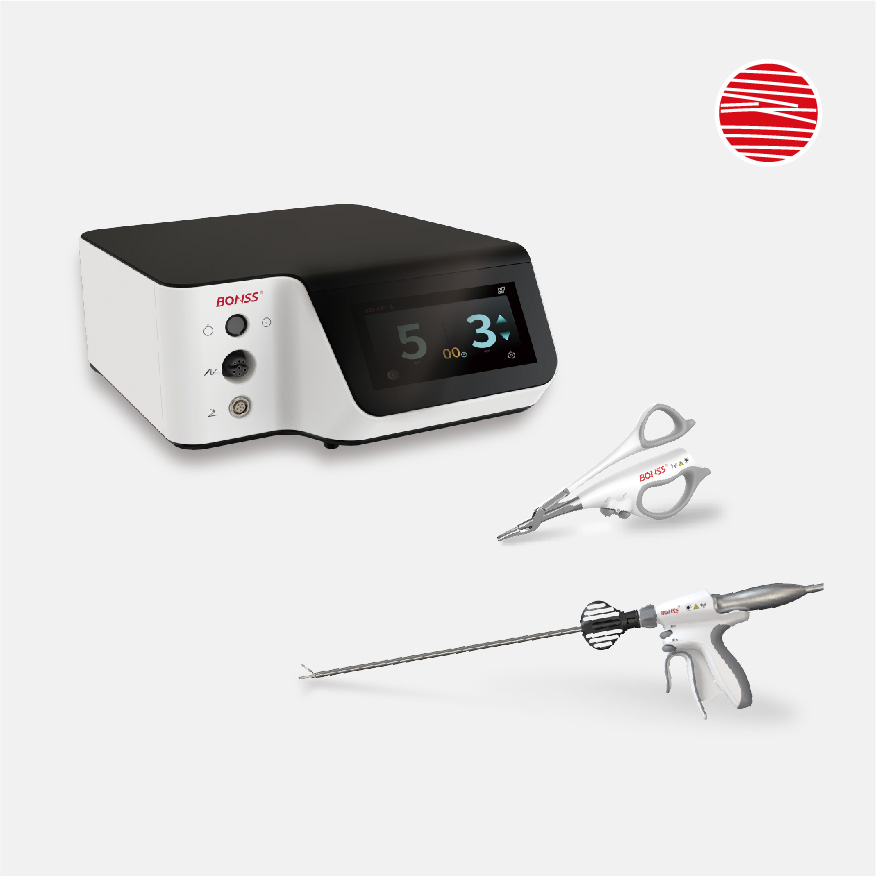
Let’s start with the field I know best: gastroenterology, specifically the subspecialty of therapeutic endoscopy. Most people associate endoscopy with screening colonoscopies, but that’s just the tip of the iceberg. When a patient has a suspicious colonic polyp, early-stage esophageal cancer, or a blockage in their small intestine, endoscopic cannulas are the backbone of safe, precise interventions.
Let’s talk about endoscopic submucosal dissection (ESD)—a procedure that lets surgeons remove large, precancerous or cancerous lesions from the esophagus, stomach, or colon without cutting through the abdominal wall, which means faster recovery times and lower complication rates for patients. Before specialized cannulas existed, ESD required multiple tools to switch in and out during the procedure, which wasted time and raised the risk of perforating the delicate intestinal lining. Today, submucosal injection cannulas are designed with a fine, sharp tip that can pierce the mucosal lining (the thin protective layer of the gut) and deliver a precise volume of saline or a hyaluronic acid-based solution into the submucosal layer directly under the lesion. This creates a “cushion” that lifts the lesion away from the deeper muscle wall, making it easy to remove with a snare or forceps. The cannulas my team supplies for ESD have a calibrated injection lumen—meaning they deliver exactly 0.5 milliliters of solution with each press, no over-injection that would distort the tissue or make removal harder. I’ve heard from a gastroenterologist in Chicago who told me these cannulas cut his ESD procedure time by an average of 12 minutes per case, which may not sound like much, but when you’re operating on a patient who’s under general anesthesia, those minutes translate to less time intubated and a lower risk of post-procedure complications like nausea or infection.
Gastroenterologists also use accessory cannulas for endoscopic retrograde cholangiopancreatography (ERCP), a procedure to treat blockages in the bile ducts or pancreatic ducts caused by gallstones or tumors. ERCP requires inserting tools like stents or stone baskets through the endoscope’s working channel, and small cannulas are used to seal gaps around these tools to maintain consistent air pressure in the bile duct. Without this pressure, the endoscope can slip out of alignment, and the risk of bile leaking into the abdominal cavity— a life-threatening complication—jumps significantly. These cannulas are made with medical-grade silicone that’s flexible enough to bend with the endoscope but rigid enough to create a tight seal, even during 45-minute ERCP procedures. I’ve seen patients go home the same day after ERCPs that would have required open surgery 20 years ago, and that’s because of small, reliable tools like the cannulas my company provides.
Next, pulmonology—another field where visibility and precision are non-negotiable. Bronchoscopy, the procedure where a thin camera is inserted into the airways to diagnose and treat lung conditions, has been transformed by specialized endoscopic cannulas for advanced procedures like endobronchial ultrasound (EBUS). EBUS lets doctors biopsy lymph nodes and lung tumors that are deep in the chest, beyond the reach of a standard bronchoscope. The key to EBUS is a cannula that guides the biopsy needle directly through the bronchial wall to the targeted lymph node, avoiding blood vessels and healthy lung tissue. These cannulas have a directional tip that can be adjusted by the surgeon using a small control on the endoscope handle, which is critical because the airways are twisted and narrow, and a wrong move can cause bleeding or a collapsed lung.
Pulmonologists also use saline-jet cannulas for bronchial lavage, a procedure where fluid is delivered into the lungs to collect cells or mucus for testing for conditions like interstitial lung disease or pneumonia. The cannula’s tip is designed to spray fluid in a uniform pattern, so it only reaches the targeted area of the lung, not the surrounding healthy tissue. I remember a pulmonologist in Dallas telling me that using our saline-jet cannulas cut the number of repeat bronchoscopies he performed by nearly 20% over a year, because the lavage samples he collected were much more accurate. That means patients don’t have to undergo multiple uncomfortable procedures to get a diagnosis, which is a win for everyone involved.
Moving on to gynecology, where minimally invasive procedures have become the standard of care for most uterine and ovarian conditions. Hysteroscopy and laparoscopy rely heavily on endoscopic cannulas to create working channels in the uterus and abdominal cavity, respectively. For hysteroscopies—used to treat conditions like fibroids, polyps, and intrauterine adhesions—one of the most common uses of cannulas is as an operative working channel. The standard hysteroscope has a small working channel, so when a surgeon needs to insert a tool like a biopsy forceps or a laser fiber, they need a cannula that fits tightly inside this channel to prevent fluid from leaking out of the uterus. Leaks would reduce the visibility of the procedure area, making it harder to remove tissue or repair damage, and can also cause fluid overload, a rare but serious complication.
My team supplies specialized hysteroscopic cannulas that have a rounded tip to avoid scratching the delicate uterine lining during insertion. Unlike cheaper cannulas that can have sharp edges that tear tissue, our cannulas are machined to a smooth, polished finish that makes insertion fast and painless for the patient, who is under local or general anesthesia depending on the procedure. For laparoscopic gynecologic procedures, trocar cannulas are used to create small incisions in the abdominal wall to insert the endoscope and surgical tools. These cannulas have a seal that prevents carbon dioxide (the gas used to inflate the abdomen and create working space) from leaking out, which is critical because a consistent gas pressure is needed to keep the abdominal organs out of the way of the surgical tools. I’ve worked with a group of gynecologic surgeons in Houston who told us that our laparoscopic cannulas reduced the time they spent adjusting gas pressure during procedures by about 8 minutes per case, which means shorter operating rooms times and less post-operative pain for their patients.
Finally, let’s talk about minimally invasive general surgery, where endoscopic cannulas are used to perform procedures like appendectomies, cholecystectomies (gallbladder removal), and hernia repairs through tiny incisions, instead of a large open cut. One of the most innovative uses of cannulas in this field is for single-incision laparoscopic surgery (SILS), a procedure where all surgical tools are inserted through a single incision in the navel, leaving almost no visible scar. SILS requires cannulas that are small enough to fit through a 2-centimeter incision but rigid enough to hold the tools in place without bending. The cannulas I supply for SILS have a flexible outer sheath that adapts to the tight space of the single incision, while the inner channel is rigid to keep tools aligned. This reduces the “chopstick effect” that surgeons face when using multiple tools through a single small incision, which was a major barrier to adopting SILS when it first became popular.
General surgeons also use irrigation cannulas during laparoscopic procedures to clear blood, bile, or other fluids from the surgical site, so they can clearly see the organ they’re working on. These cannulas have a high-flow lumen that delivers saline at a controlled pressure, so it washes away debris without damaging delicate tissue like the liver or gallbladder. I’ve seen how these small tools make a huge difference: a patient who would have spent 5 days in the hospital after an open gallbladder removal can go home in 2 days after a laparoscopic procedure that uses our cannulas to keep the site clear. That’s the impact I care about most—turning what was once a major surgery into a minimally invasive procedure with faster recovery times and fewer risks.
Of course, none of this works without quality. For 15 years, I’ve built my business on supplying endoscopic cannulas that are tested to strict ISO standards, made from medical-grade materials that are free of latex and other irritants, and designed to be used once (to prevent cross-contamination) but durable enough to withstand the rigors of a 2-hour procedure. I’ve seen too many clinics cut corners on cheaper cannulas that bend mid-procedure, leak, or have sharp edges that cause tissue damage, and that’s why my team refuses to compromise on quality. Every cannula that leaves our facility is inspected by two team members, and we track every batch to make sure it meets the specifications our clients rely on.
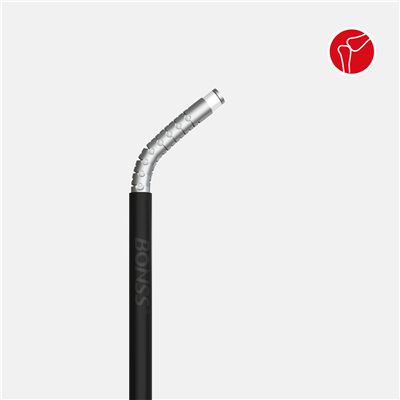
If you’re a surgeon, clinic manager, or medical supply coordinator looking for a reliable partner for your endoscopic cannula needs, I’m here to help. Whether you need small-bore submucosal injection cannulas for ESD, directional EBUS cannulas for pulmonology, or specialized laparoscopic cannulas for general surgery, my team can work with you to find the right product for your procedures. We offer flexible ordering options, competitive pricing, and 24/7 support, so you can get the supplies you need when you need them—no delays, no surprises. For more information on how our endoscopic cannulas can improve your procedures and patient outcomes, please reach out to our team for a consultation. Together, we can find the solutions that work best for your practice.
Endoscopy Related Equipments References
- American Society for Gastrointestinal Endoscopy. (2022). Therapeutic endoscopy: Advances in tools and techniques for colorectal and upper GI lesions. Gastrointestinal Endoscopy, 96(3), 451-462.
- Weber, R. J., et al. (2021). Endobronchial ultrasound-guided transbronchial needle aspiration: The role of specialized cannulas in diagnostic accuracy. Journal of Bronchology & Interventional Pulmonology, 28(4), 278-285.
- American College of Obstetricians and Gynecologists. (2020). Minimally invasive gynecologic surgery: Best practices for hysteroscopic and laparoscopic procedures. Obstetrics & Gynecology, 136(5), 1092-1101.
- Misra, S., et al. (2019). Single-incision laparoscopic surgery: Impact of cannula design on operative time and complication rates in general surgery. Surgical Endoscopy, 33(12), 3987-3994.
- International Organization for Standardization. (2022). Medical devices—Endoscopic cannulas for minimally invasive procedures: Requirements for safety and performance. ISO 13485:2016.
Jiangsu Bonss Medical Technology Co., Ltd.
As one of the most professional endoscopic cannulas manufacturers and suppliers in China, we’re featured by quality products and good price. Please rest assured to buy bulk endoscopic cannulas for sale here from our factory. Customized orders are welcome.
Address: Building #7,No.898,China Medical City Avenue, Haling District, Taizhou City.Jiangsu P.R. China
E-mail: inquiry@plasma-surgical.com
WebSite: https://www.bonssmedical.com/
